Best clothes for sensitive skin: a guide to bamboo fabric
Navigating Clothing Choices with Skin Sensitivities and Sensory Issues
If your skin reacts to almost everything, getting dressed stops being simple. Wool itches. Synthetics trap heat. Seams leave marks. The fabric you choose matters as much as the cut.
This is a guide to dressing sensitive skin, whatever's behind it: natural sensitivity, eczema, sun reactivity, the changes that come with menopause, or sensory needs. Bamboo comes up a lot here, and there's a good reason for that. We'll explain why, with the styles to match.
Is bamboo good for sensitive skin?
Yes. Bamboo fabric is soft, breathable and gentle, which makes it one of the easiest fabrics to wear when your skin is reactive. The fibre is smooth rather than coarse, so there's no scratch or rub against the skin.
Board-certified dermatologists often point people with eczema and sensitive skin toward soft, smooth fabrics like bamboo viscose, because a smoother fibre is less likely to trigger irritation than a rough or fuzzy one.
Our bamboo fabric is also OEKO-TEX 100 certified, which means it's been tested for harmful chemicals and residues and passed. More on what that certification actually checks below, because it's the part most brands skip over.
What makes a fabric kind to sensitive skin?
Three things do most of the work: a smooth fibre, breathability, and the right finish. Here's what to look for when you're reading a label.
- A soft, smooth fibre. Rough or hairy fibres catch on the skin and cause friction. Bamboo, silk and fine merino sit smooth. Bamboo is the easy-care option of the three.
- Breathability. Skin that's stuck in trapped heat and damp gets irritated faster. Bamboo is more breathable than cotton and wicks moisture away, so your skin stays drier.
- A clean finish. Flat seams, soft waistbands, no scratchy labels or stiff embellishments. The construction matters as much as the cloth.
- A chemical-free finish. This is the one people forget. Many fabrics carry residue from dyes and treatments. A certification like OEKO-TEX 100 tells you it's been checked.
What does OEKO-TEX 100 certification actually mean?
OEKO-TEX Standard 100 means every part of the fabric has been tested against more than 1,000 harmful substances and passed. That covers formaldehyde, heavy metals like lead, residual pesticides, and the allergenic dyes that can set off a reaction.
The testing gets stricter the more skin contact a product has, so the standard is built around exactly the problem sensitive skin faces. For reactive skin, it's one of the most useful things you can see on a label, because it tells you what isn't in the fabric. Our bamboo is OEKO-TEX 100 certified.
What should you wear for naturally sensitive skin?
Reach for natural fabrics, looser fits and low necklines. If a turtleneck or a wool jumper leaves you itching, that's sensitive skin telling you what it doesn't like.
A few simple rules help. Choose smooth natural fibres over synthetics. Pick relaxed shapes that don't cling. Skip high, tight necks that rub the most delicate skin on your throat.
Season matters too. Skin dries out and gets touchier in winter, so soft, breathable layers and a good moisturiser go a long way. Bamboo works year round here because it holds warmth in the cold and stays cool in the heat.
Clothes for Naturally Sensitive Skin
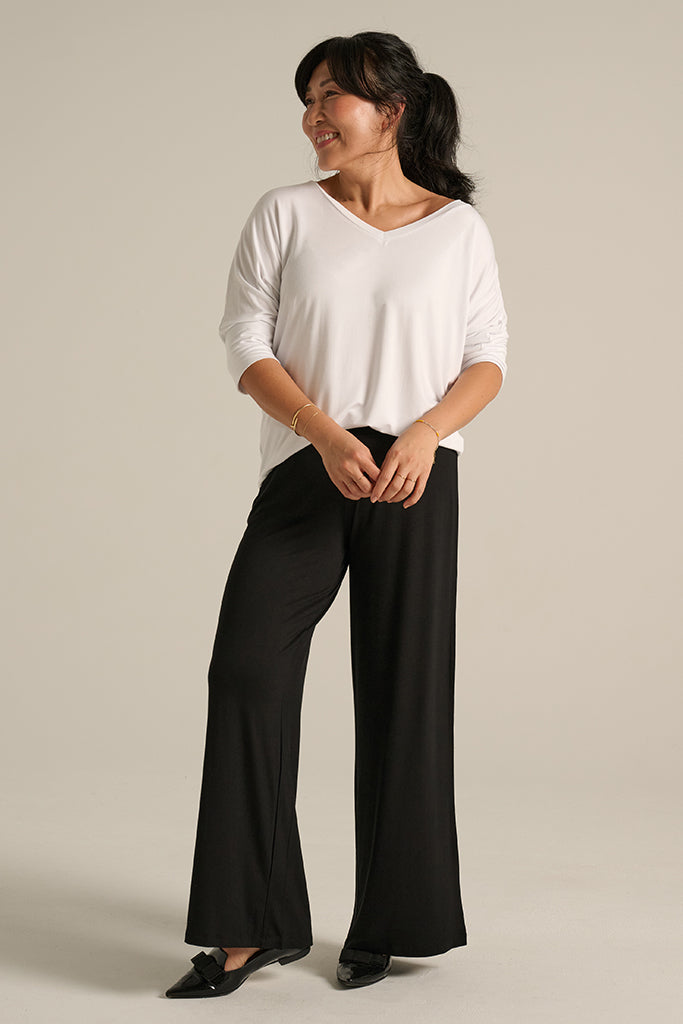

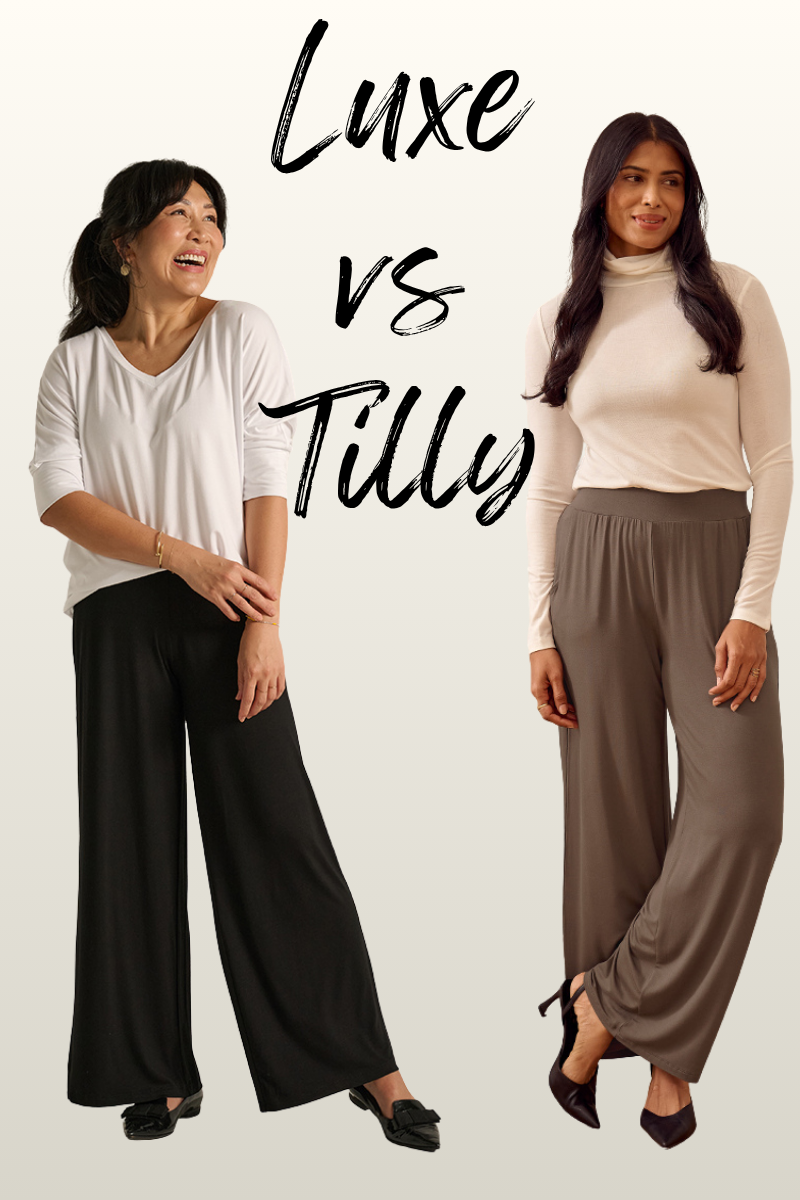
Luxe Wide Leg Pants - Black
4 colours available
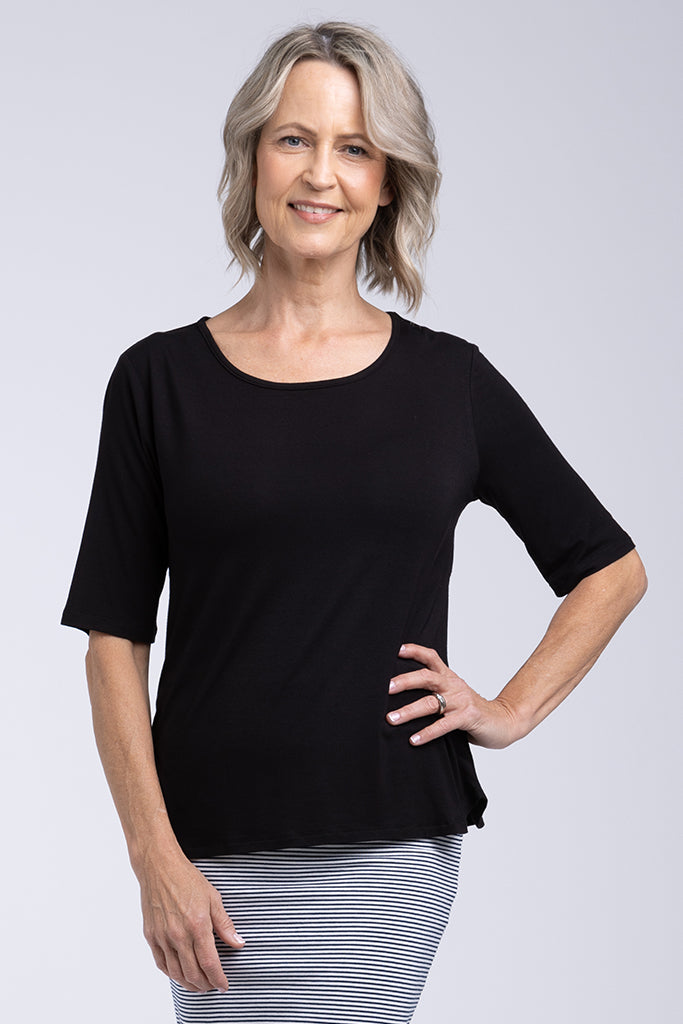
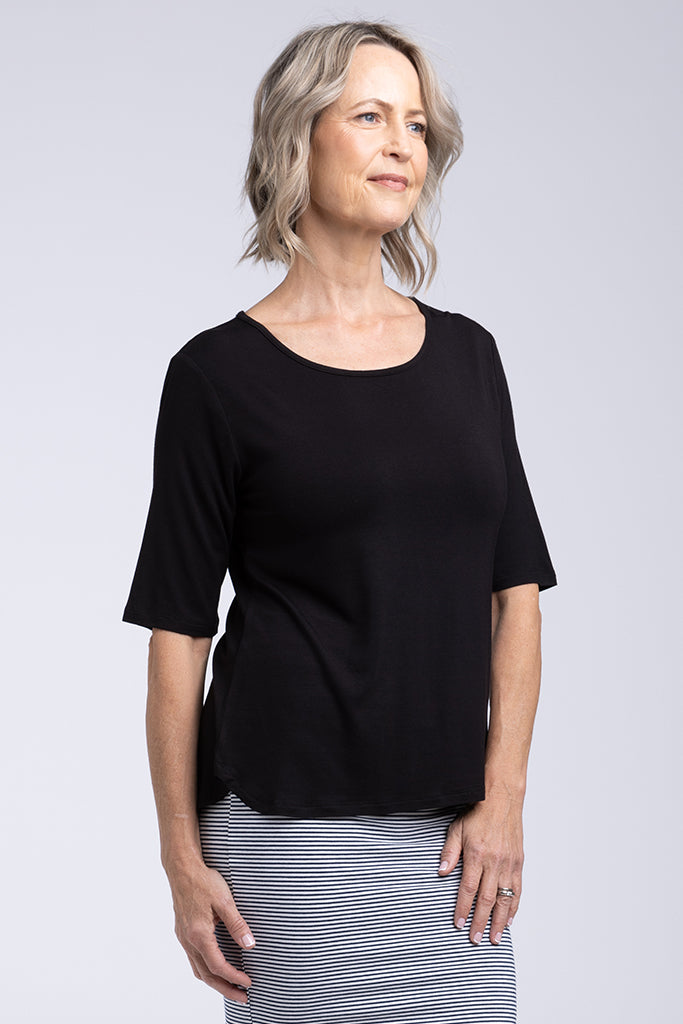
Sophie Top - Black
11 colours available
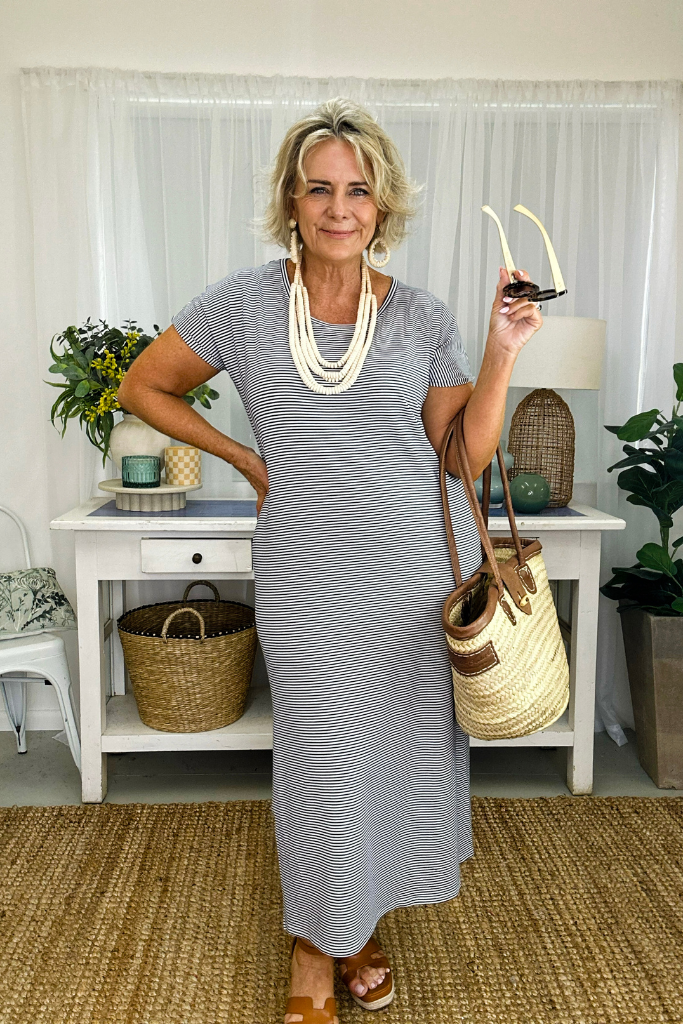

Elsie Dress - Thin Stripe
7 colours available

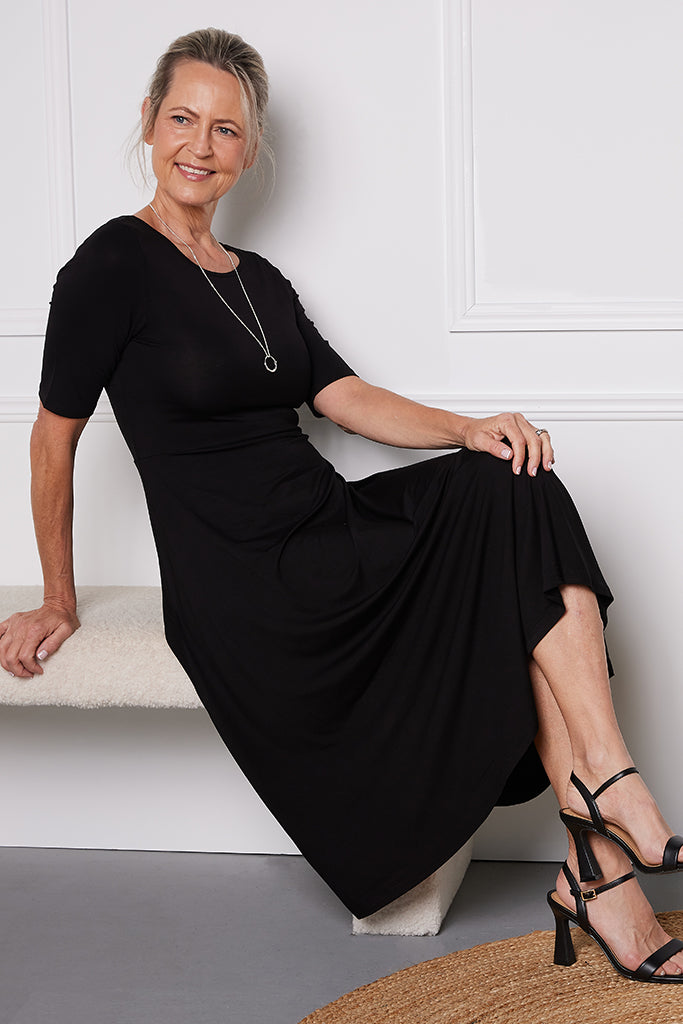
Harmony Dress - Black
6 colours available
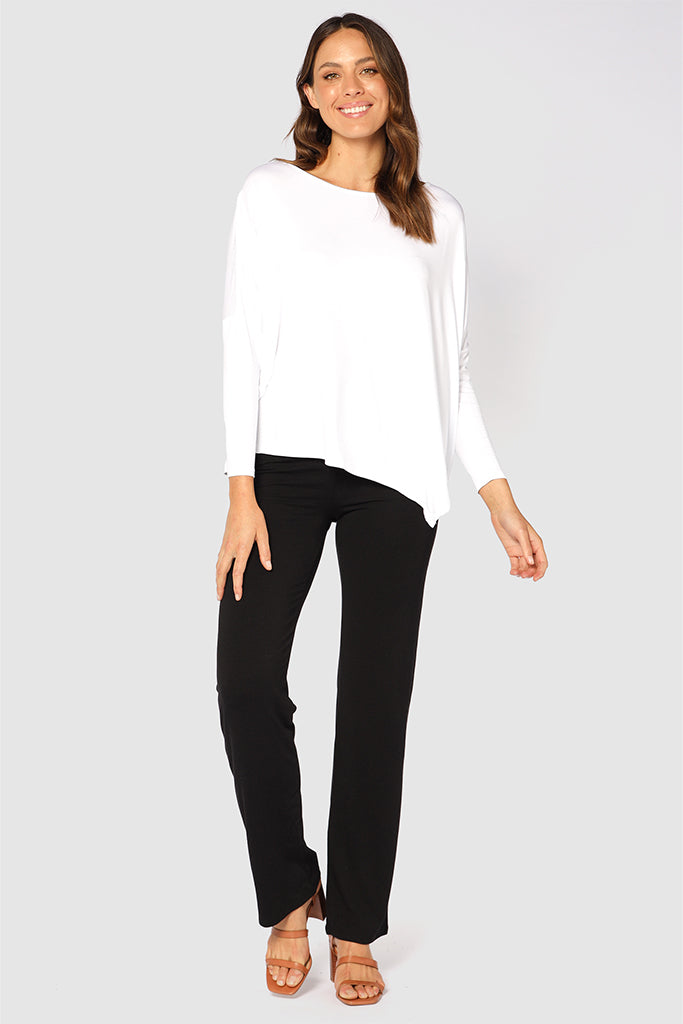
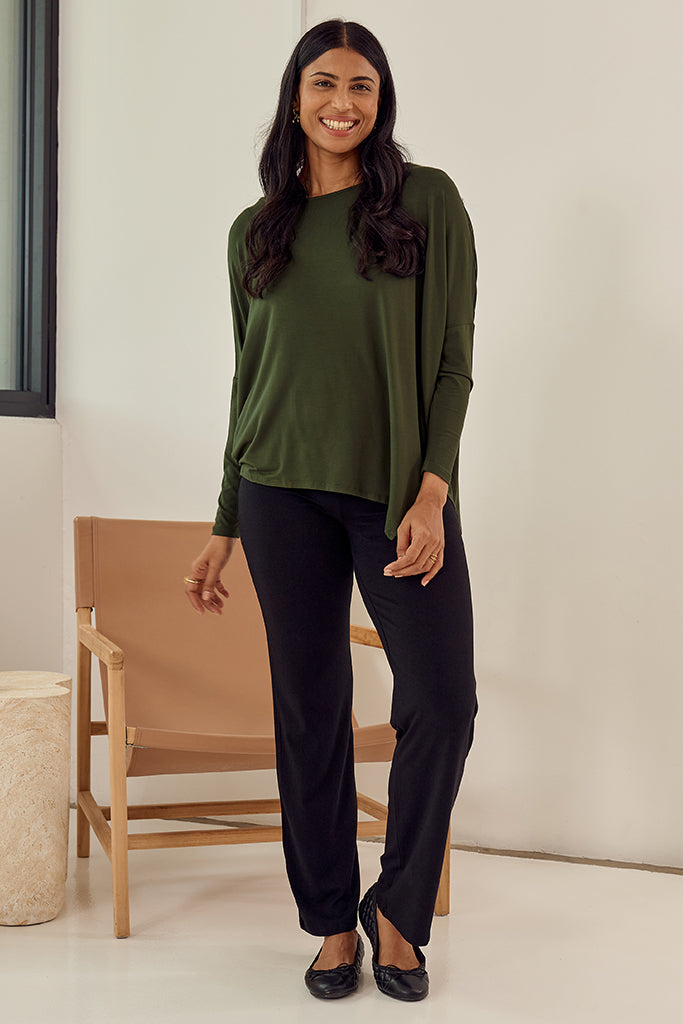
Essential Bamboo Pants - Black
10 colours available
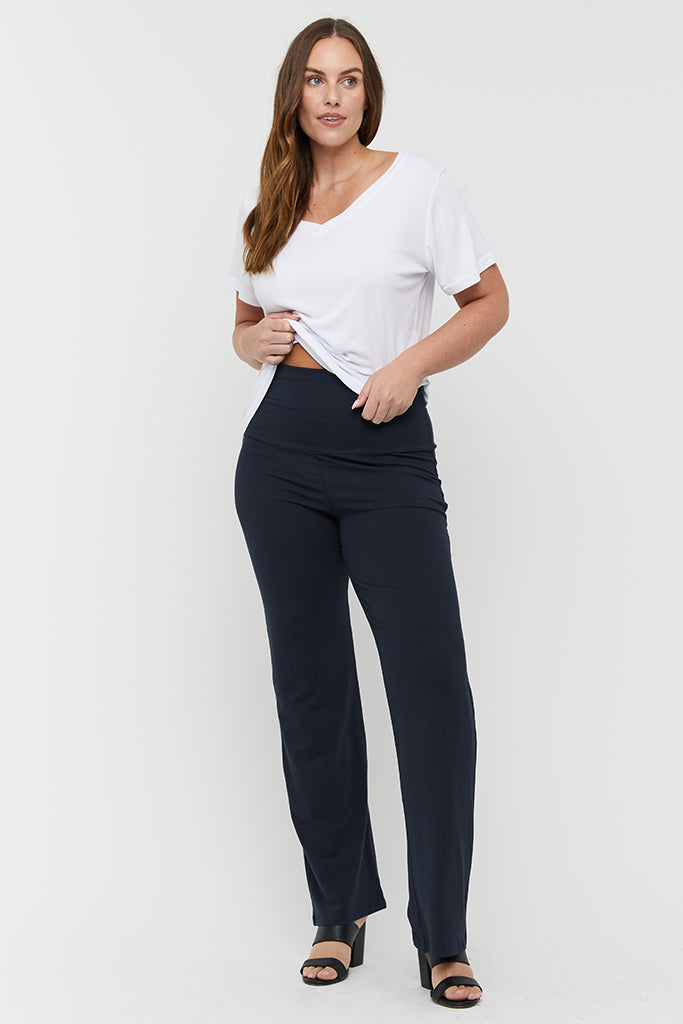

Essential Bamboo Pants - Dark Navy
10 colours available
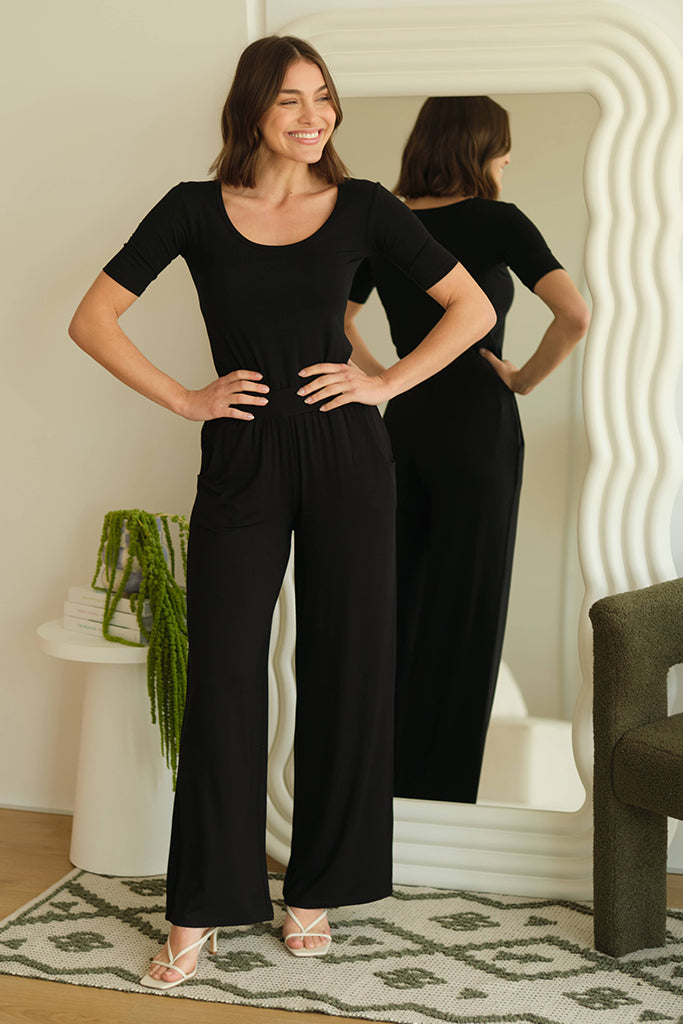
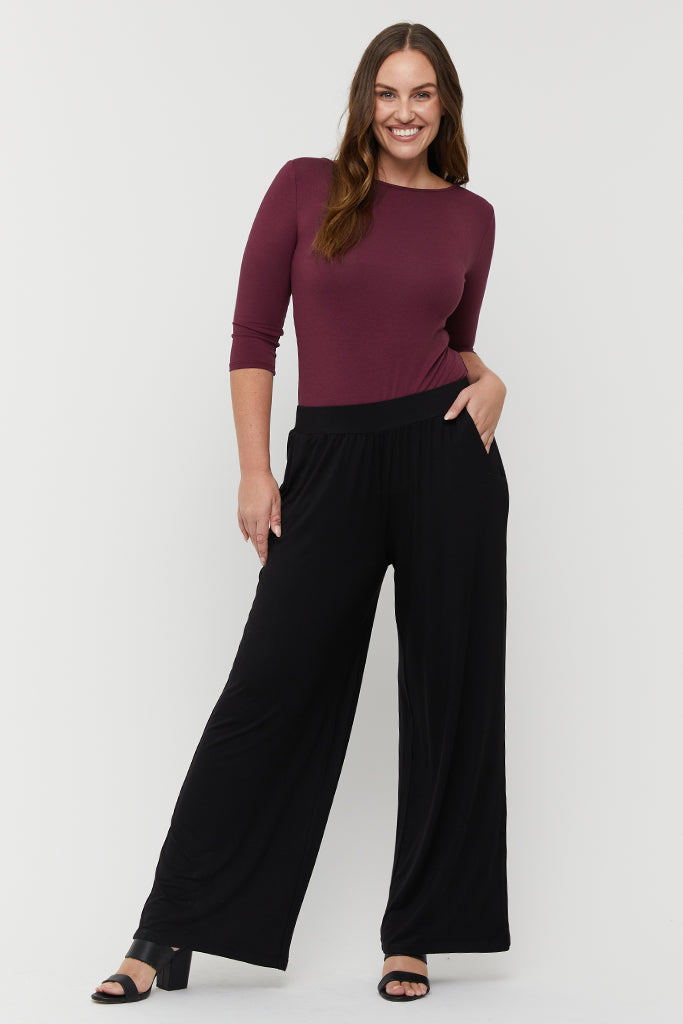
Tilly Pants - Black
7 colours available
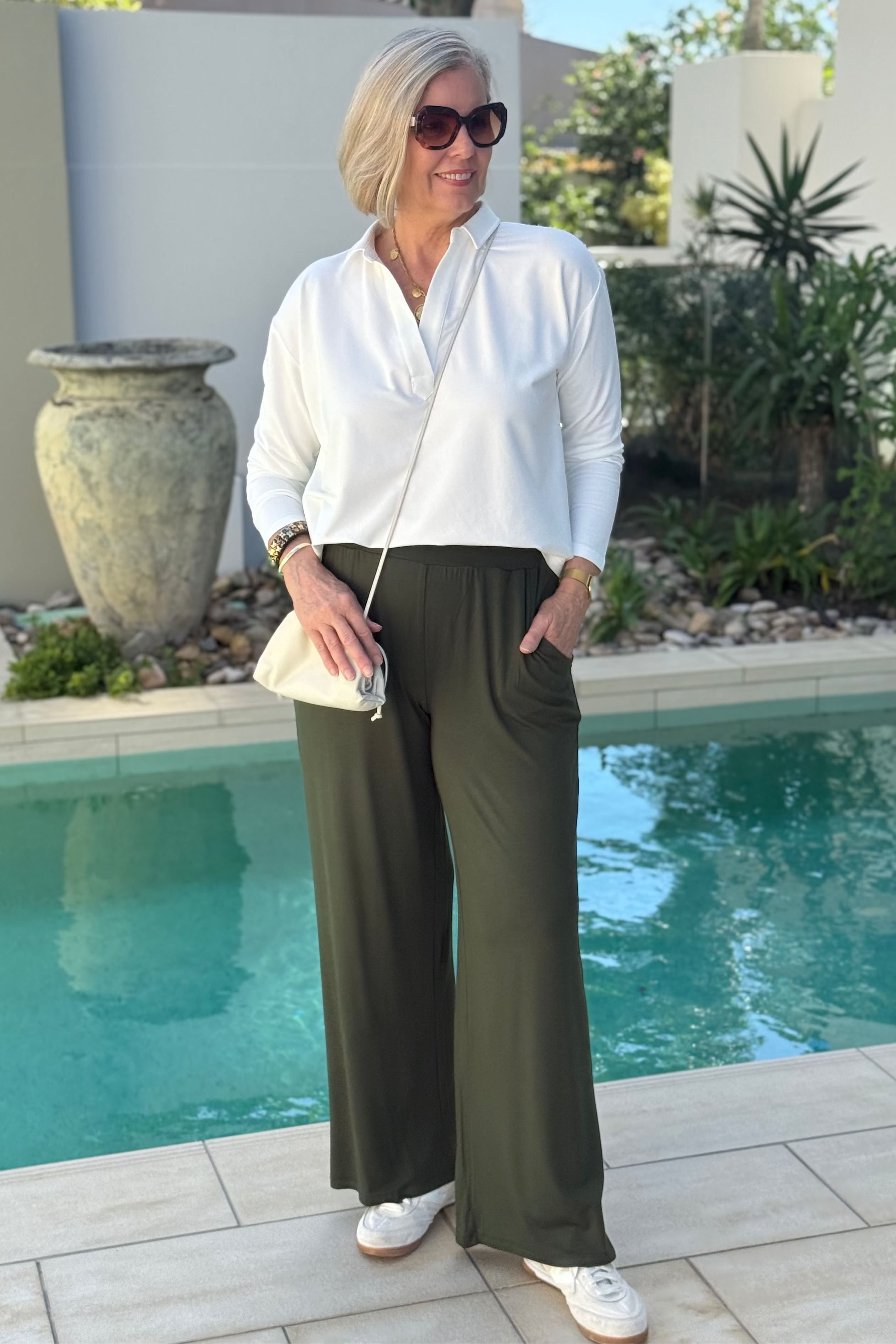

Tilly Pants - Moss
7 colours available
What's the best clothing for sun-sensitive skin?
If your skin reacts to sun, cover it with UPF-rated fabric and you'll take the guesswork out of protection. Sunscreen wears off. Clothing doesn't.
Our bamboo UPF range is rated UPF 50+ by ARPANSA, the Australian Government's radiation protection agency. That's the highest sun protection rating a fabric can get, and it blocks at least 98% of UV rays across the skin it covers. UPF 50+ is the clothing equivalent of SPF 50+ sunscreen, except it doesn't fade through the day.
For sun-reactive skin, a long-sleeve UPF top does more reliable work than reapplying lotion every two hours.
Bamboo Sun Protective Clothing UPF50+
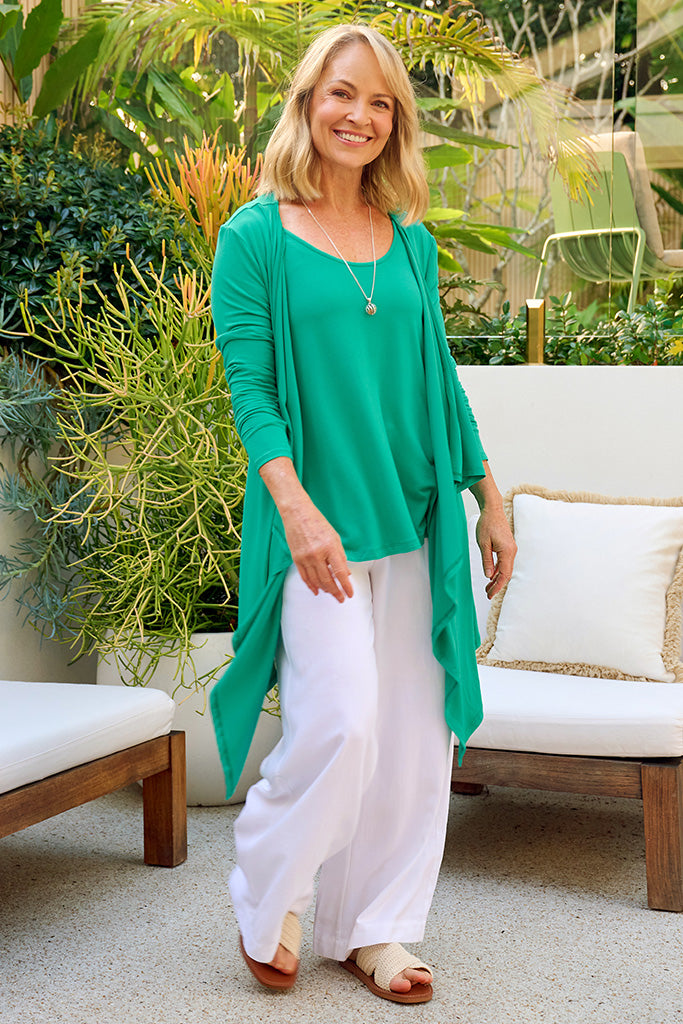
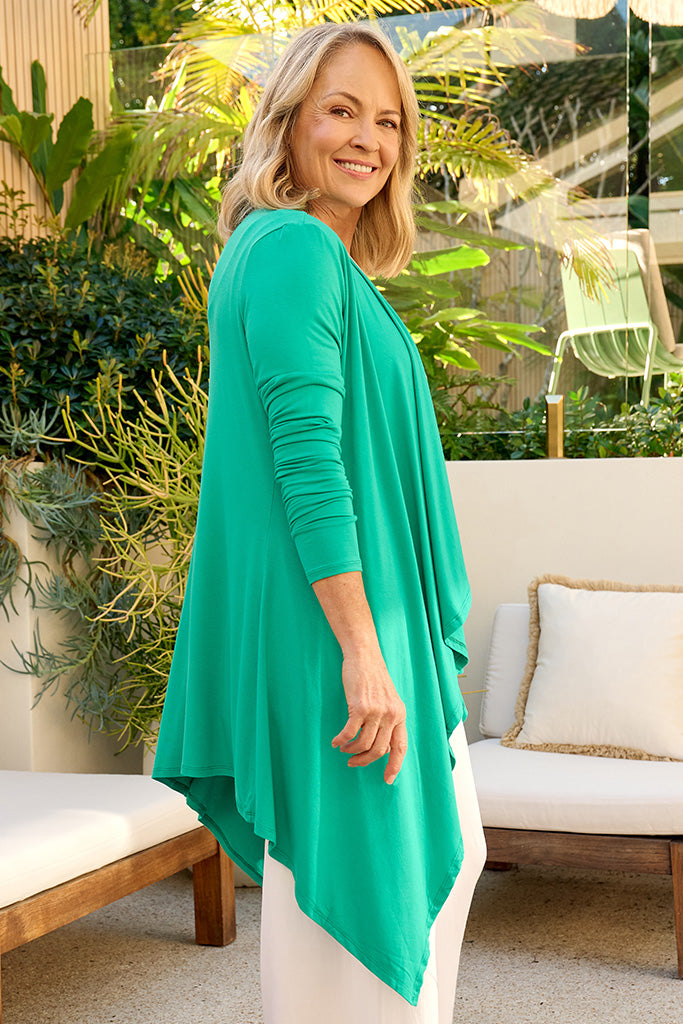
Waterfall Cardigan - Emerald
16 colours available
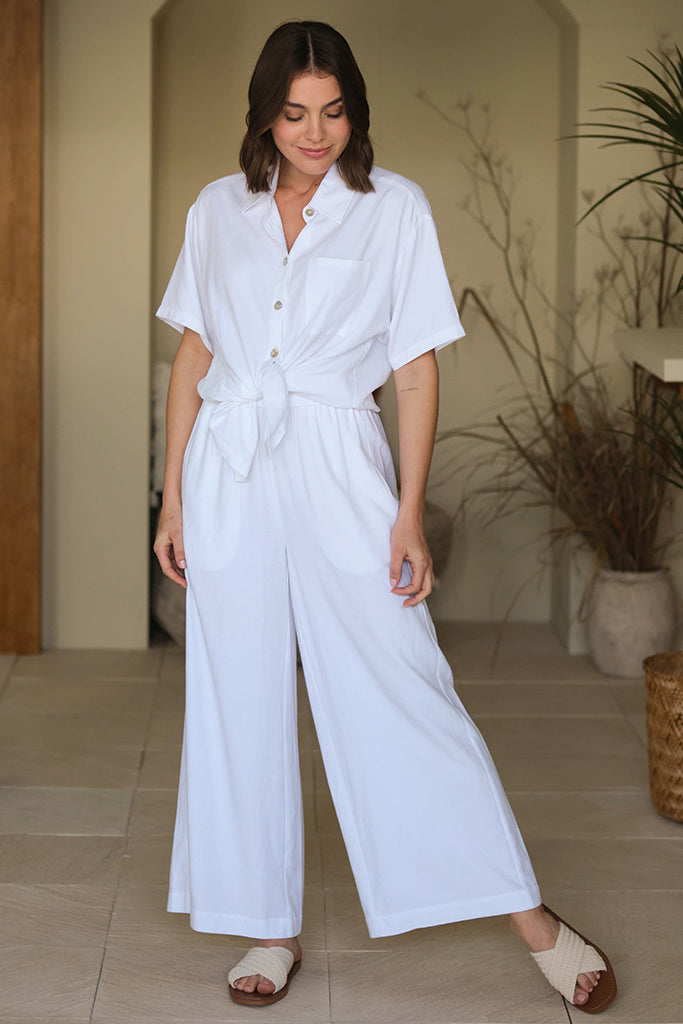
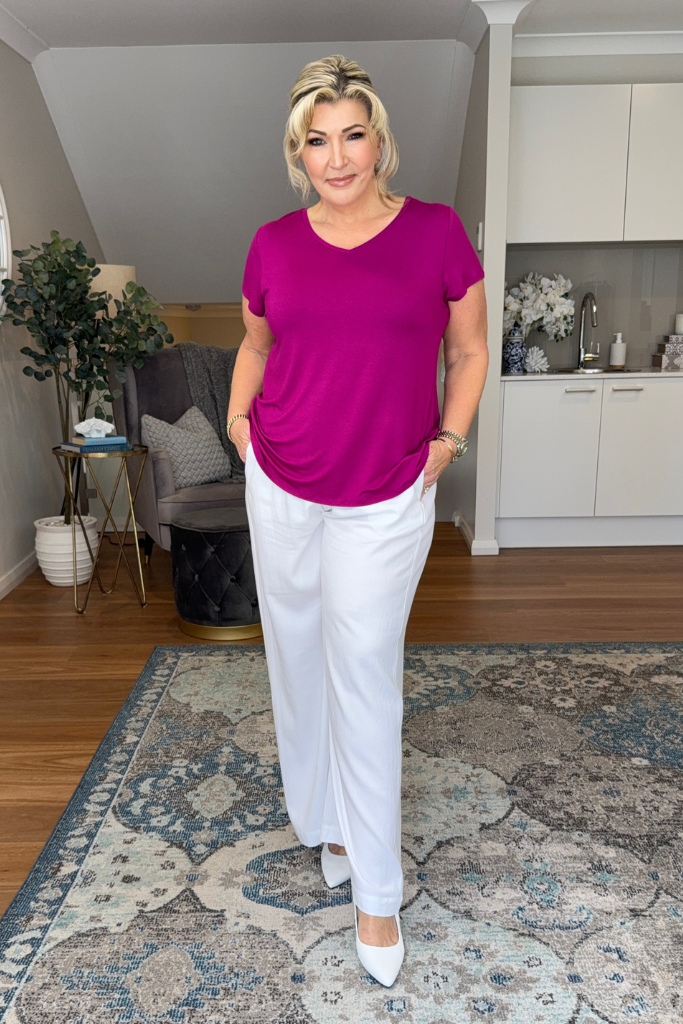
Bamboo Linen Pant - White
3 colours available
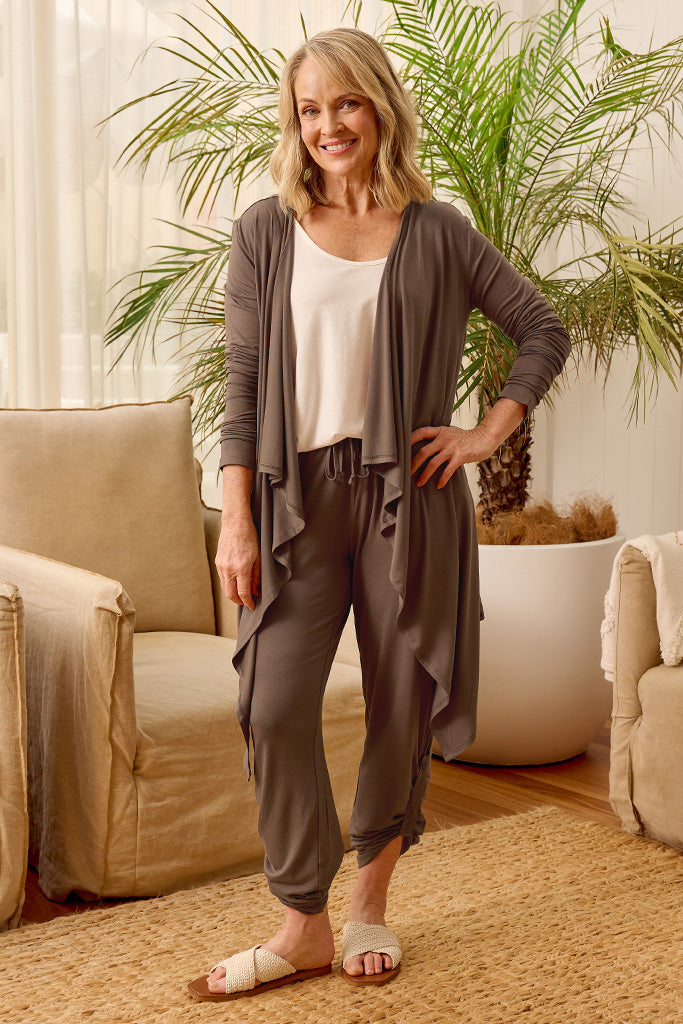
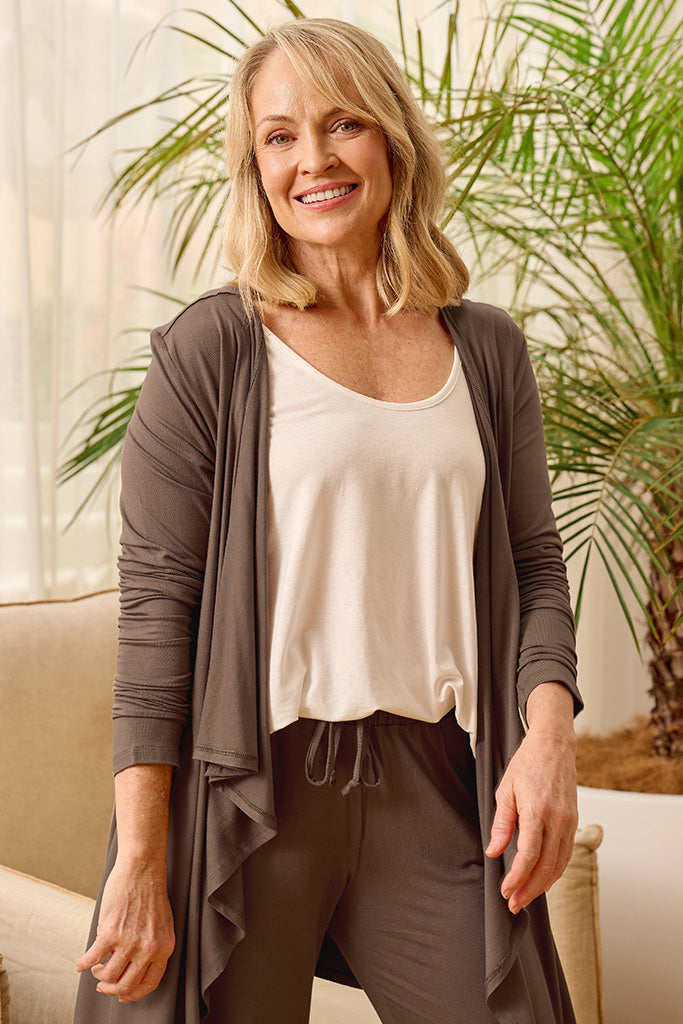
Waterfall Cardigan - Slate
16 colours available
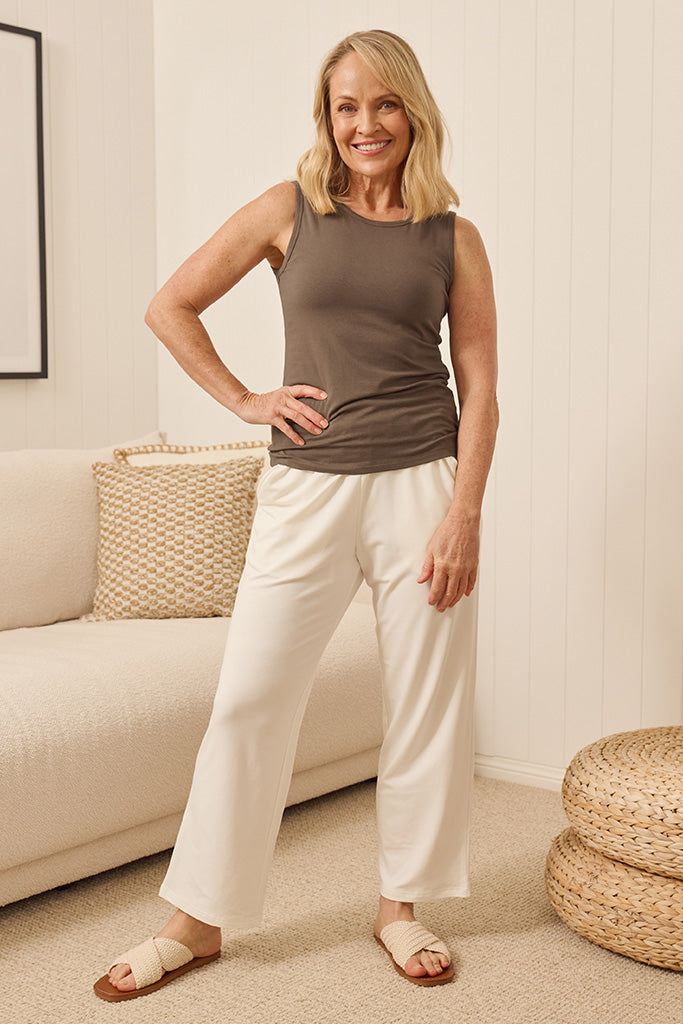
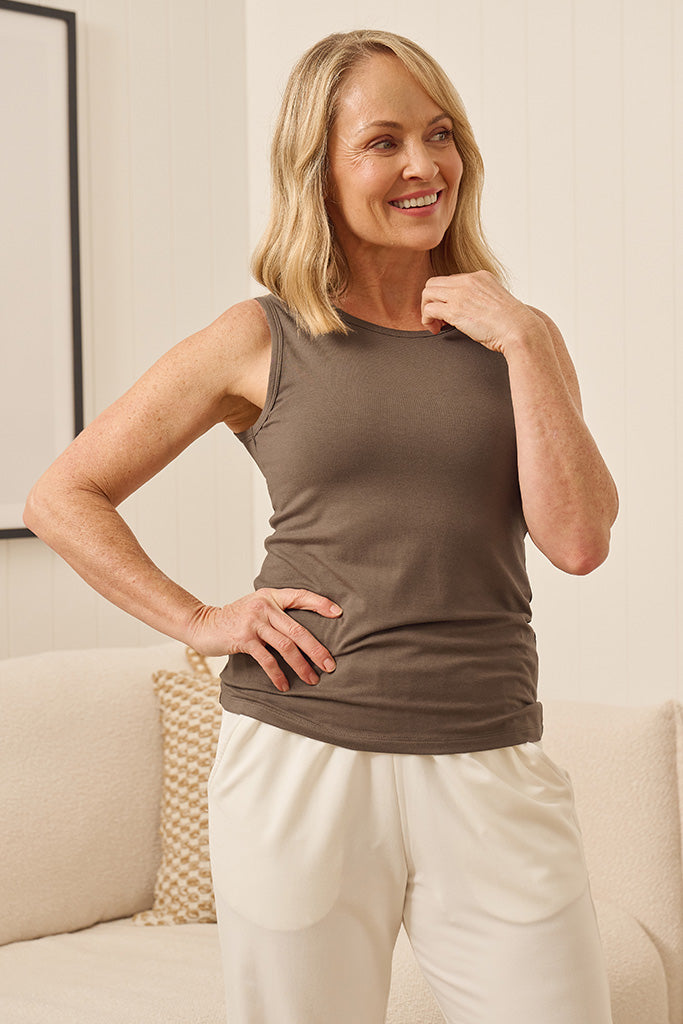
Bobby Singlet - Slate
8 colours available
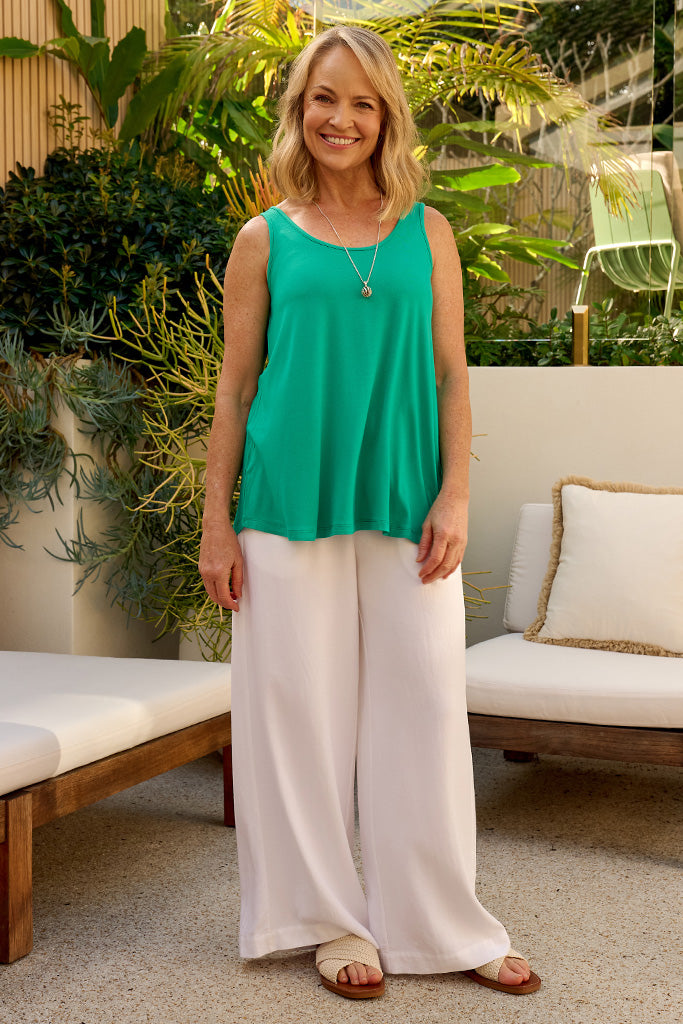
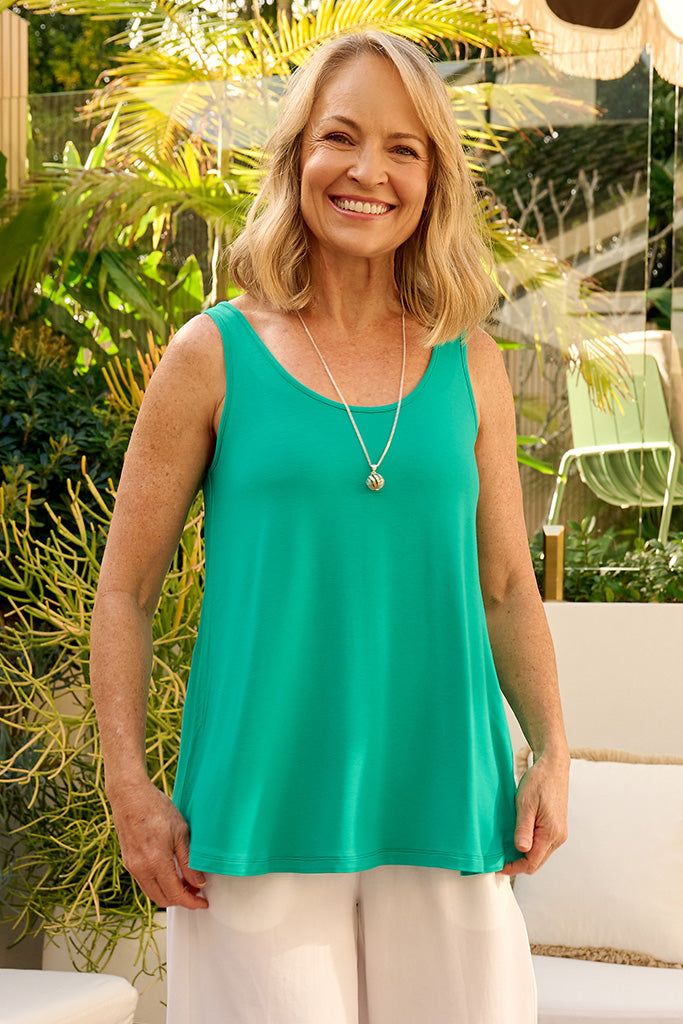
Relaxed Bamboo Singlet - Emerald
14 colours available
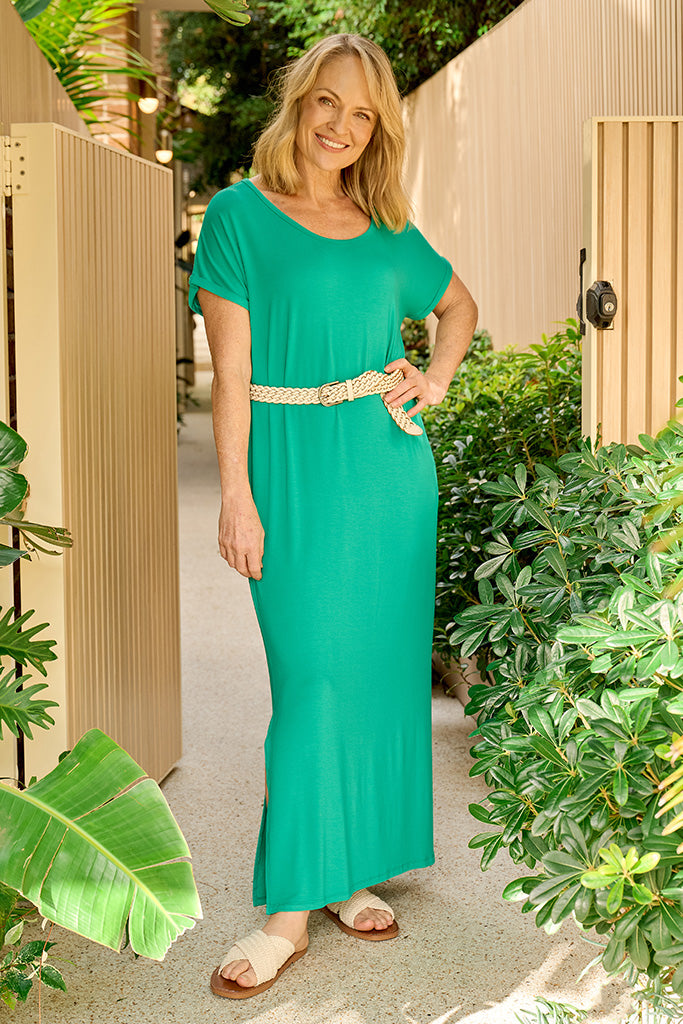
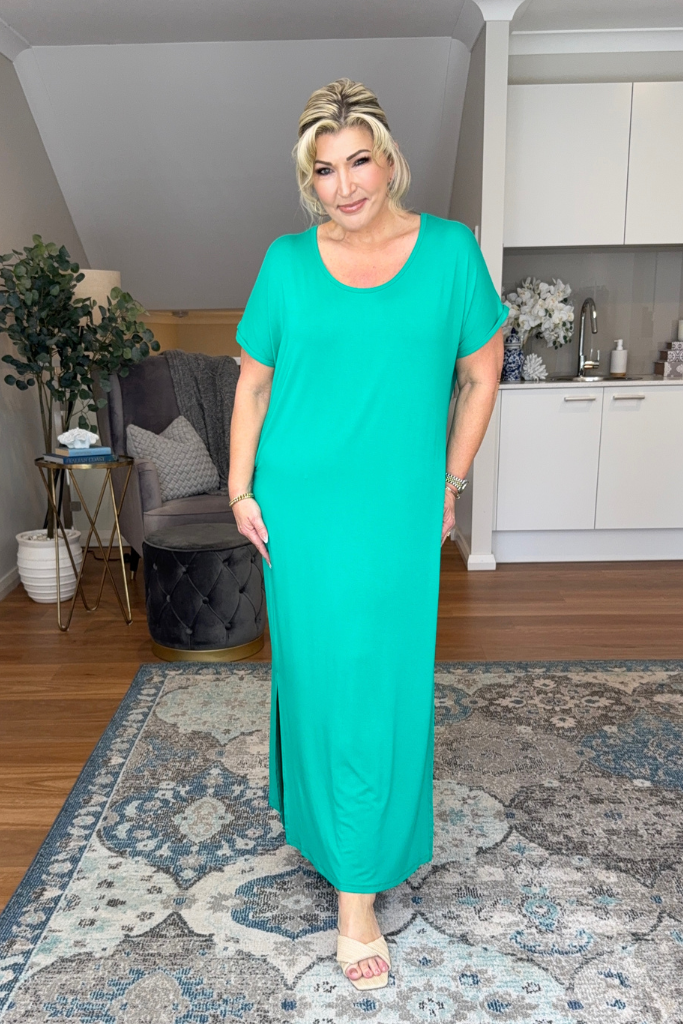
Elsie Dress - Emerald
7 colours available
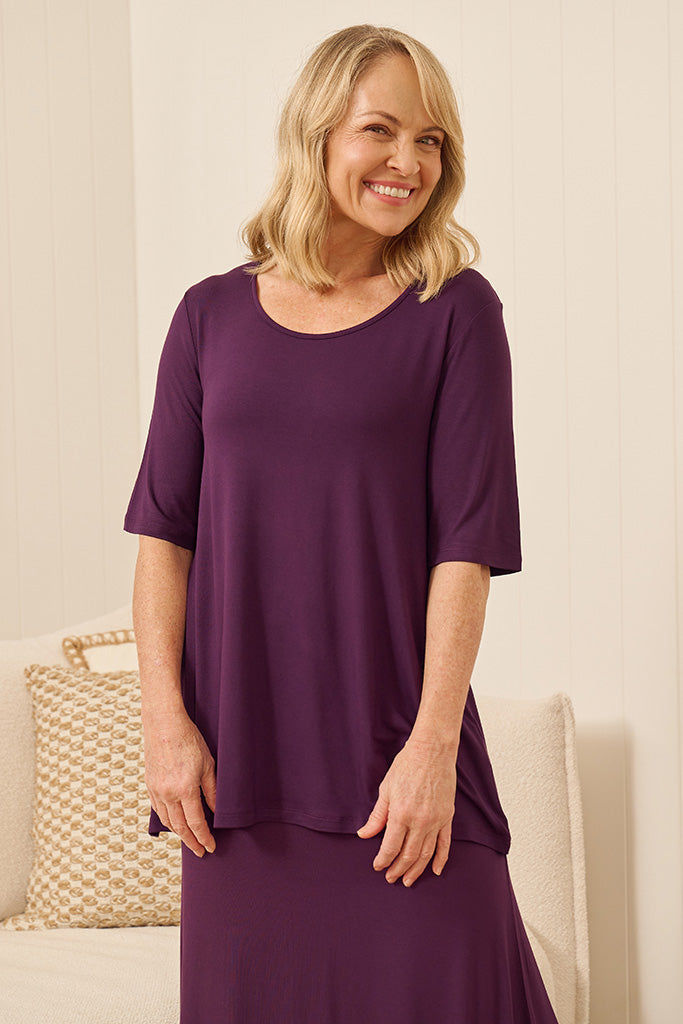
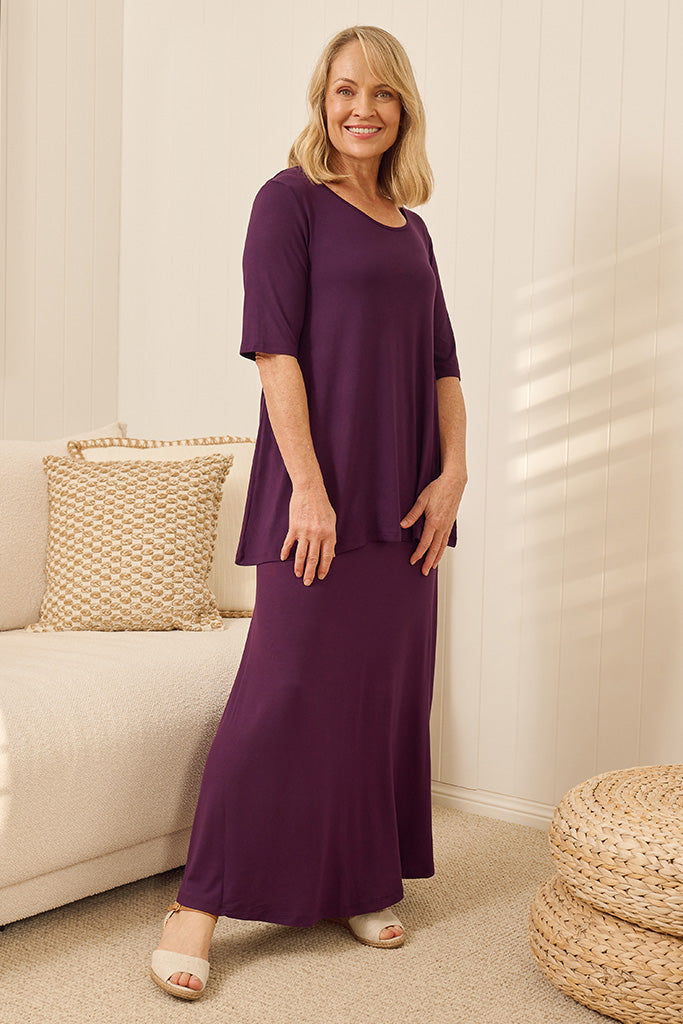
Carter Tunic Top - Plum
17 colours available
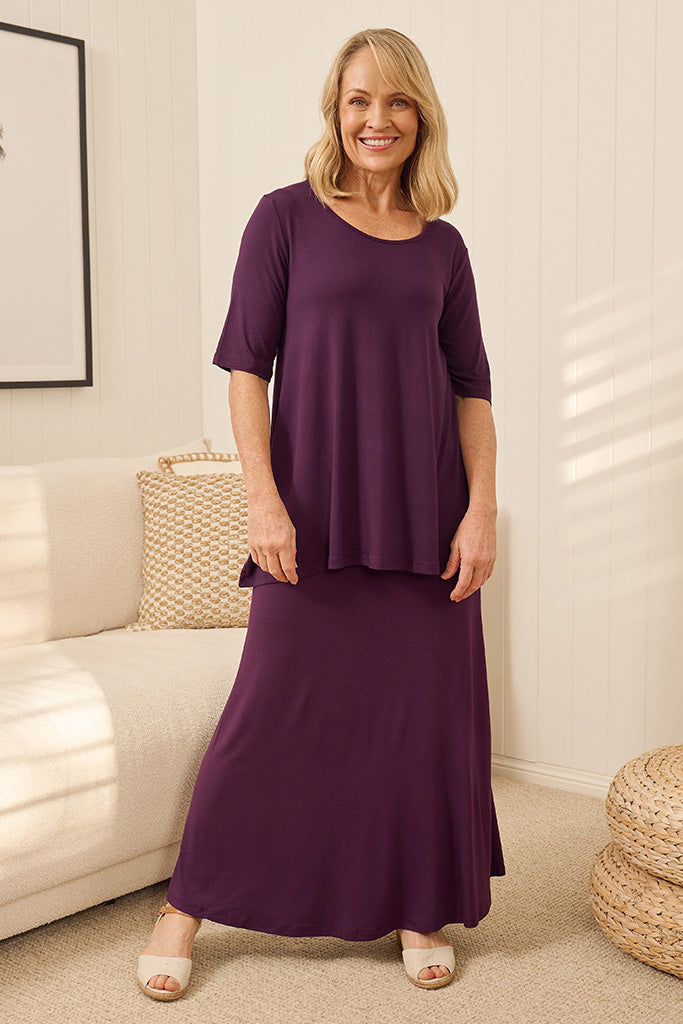
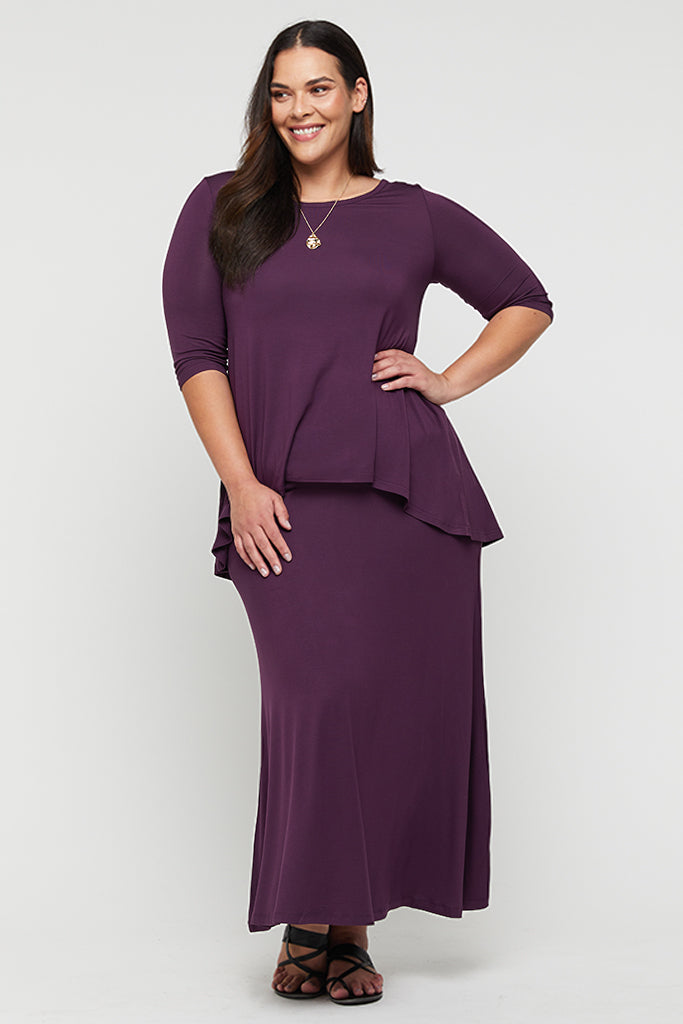
Lana Long Skirt - Plum
8 colours available
Is bamboo good for eczema and dermatitis?
Yes. For eczema and dermatitis, you want fabric that's soft, breathable and moisture-wicking, and bamboo is all three. It doesn't drag on inflamed skin the way rougher fabrics do.
Eczema and dermatitis need medical care first, so this isn't a substitute for your doctor's advice. But what you wear over the affected skin makes a real difference day to day. A smooth fibre that lets heat and sweat escape gives flare-prone skin less to react to.
Customers with eczema and psoriasis tell us our bamboo doesn't irritate their skin the way most other fabrics do. The OEKO-TEX 100 certification is part of why: no harsh chemical residue sitting against already-sensitive skin.
Eczema friendly bamboo clothes
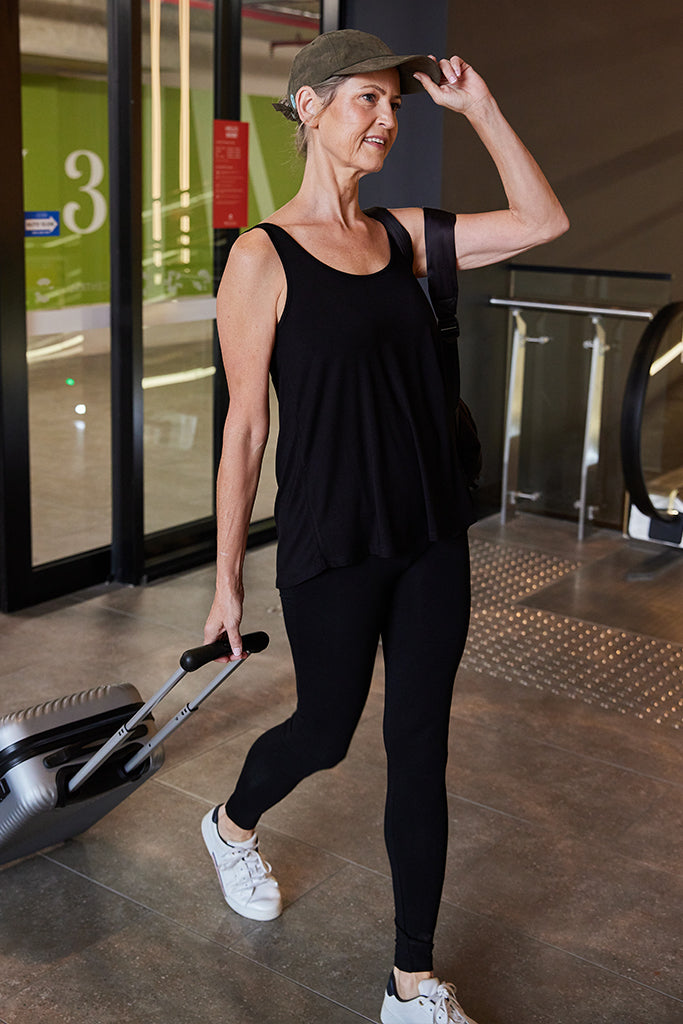
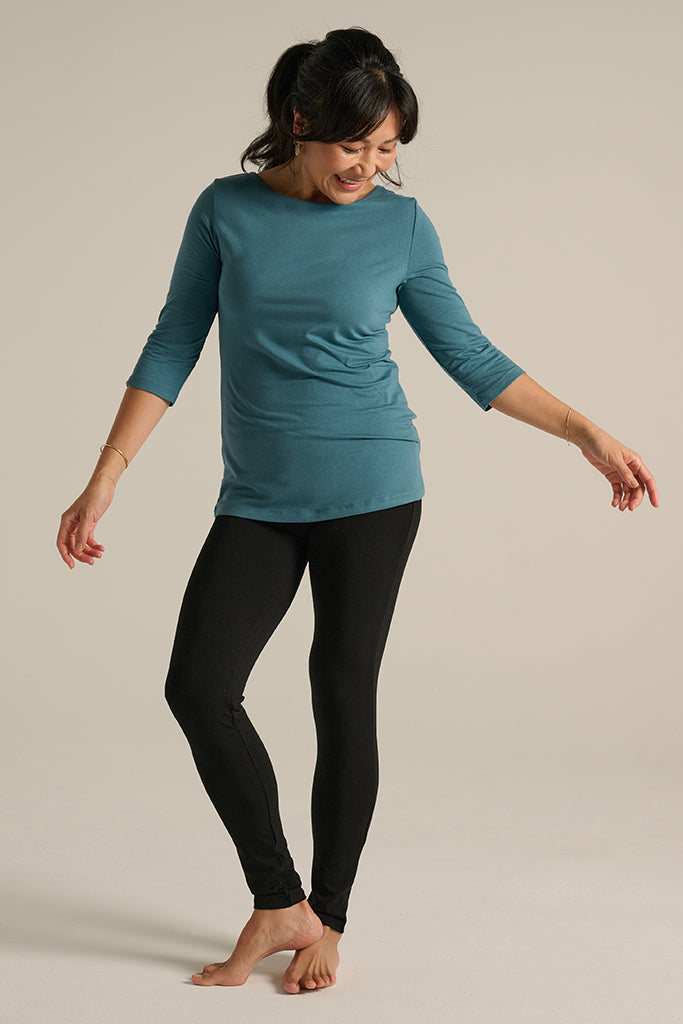
Soft Bamboo Leggings - Black
4 colours available
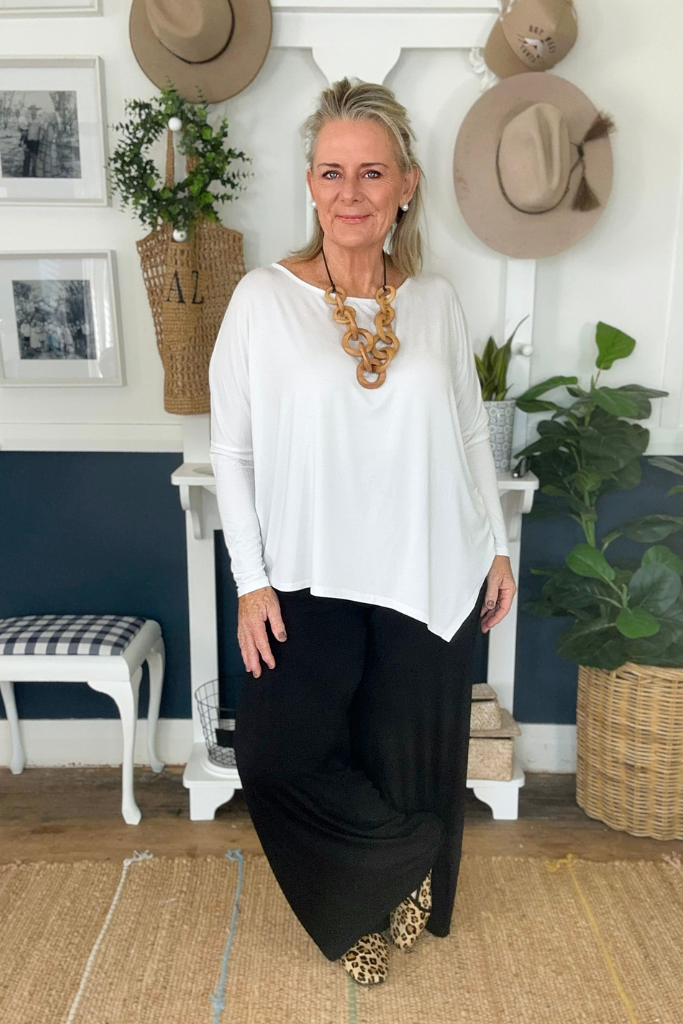
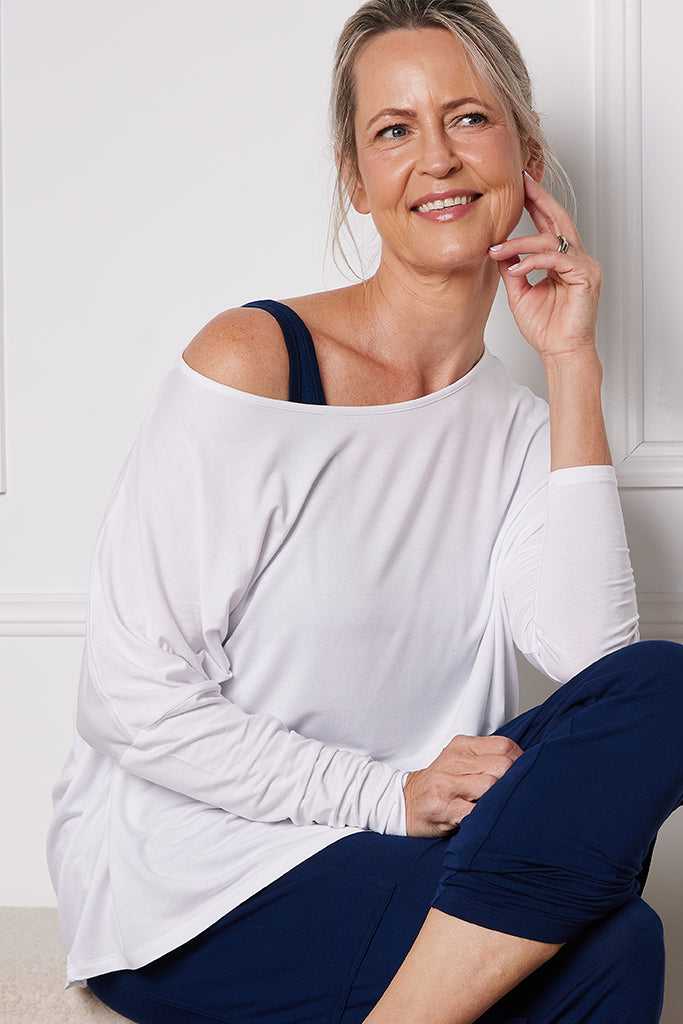
Relax Boatneck - White
10 colours available
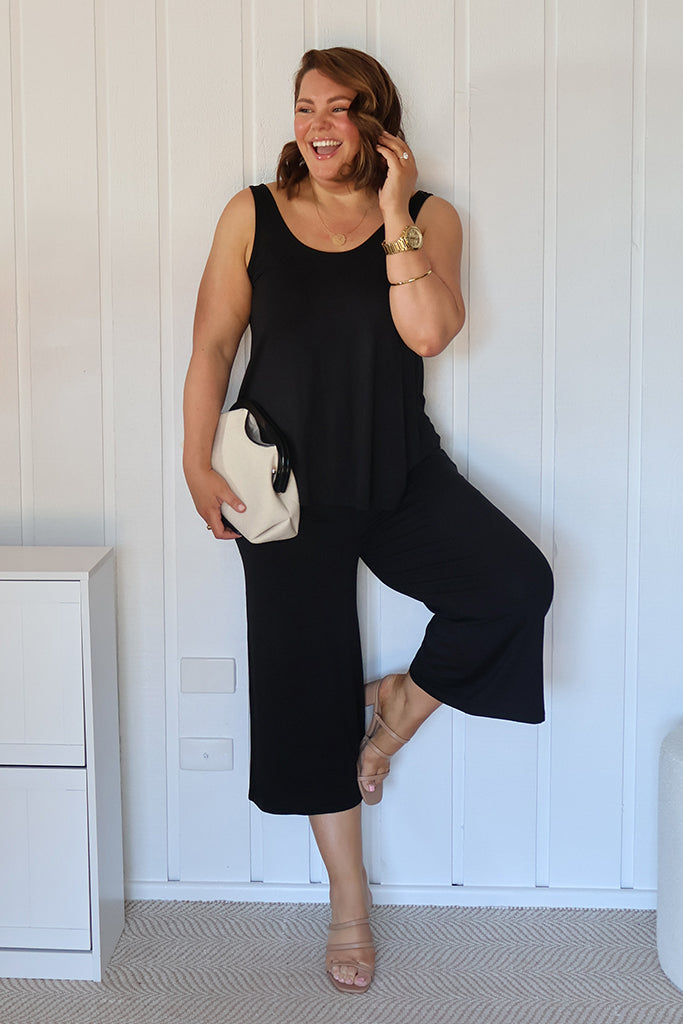
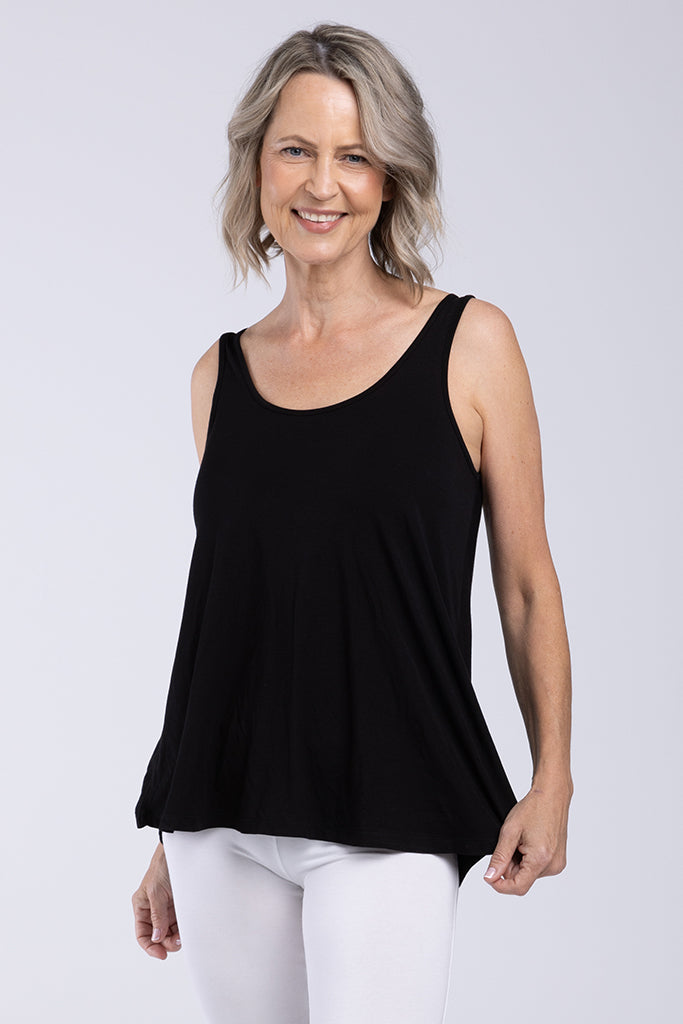
Relaxed Bamboo Singlet - Black
14 colours available
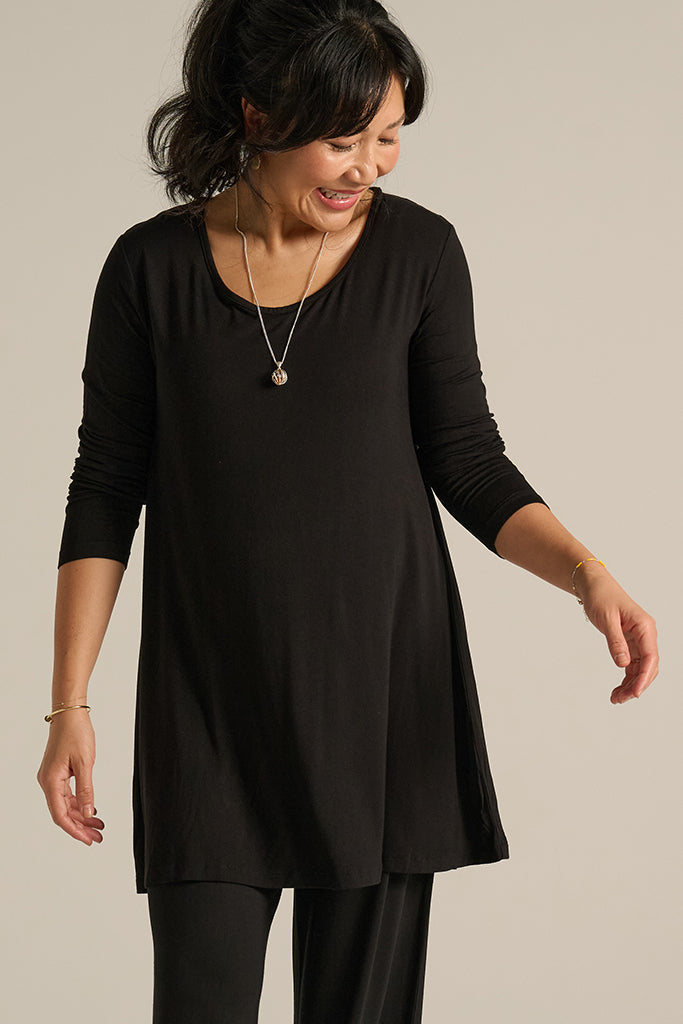
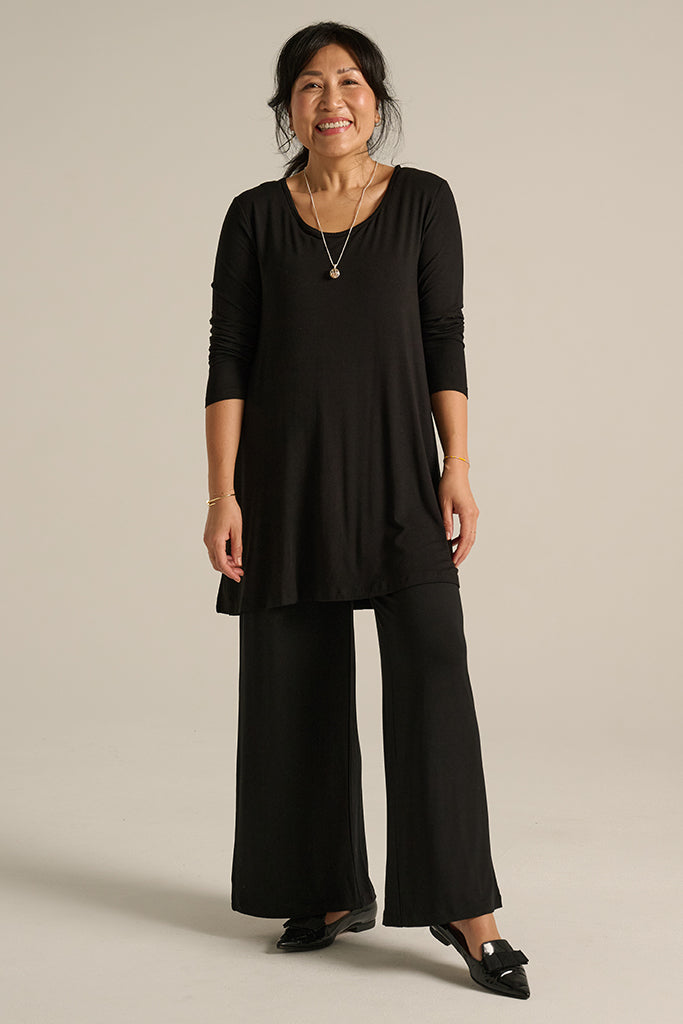
Leanne Tunic - Black
6 colours available
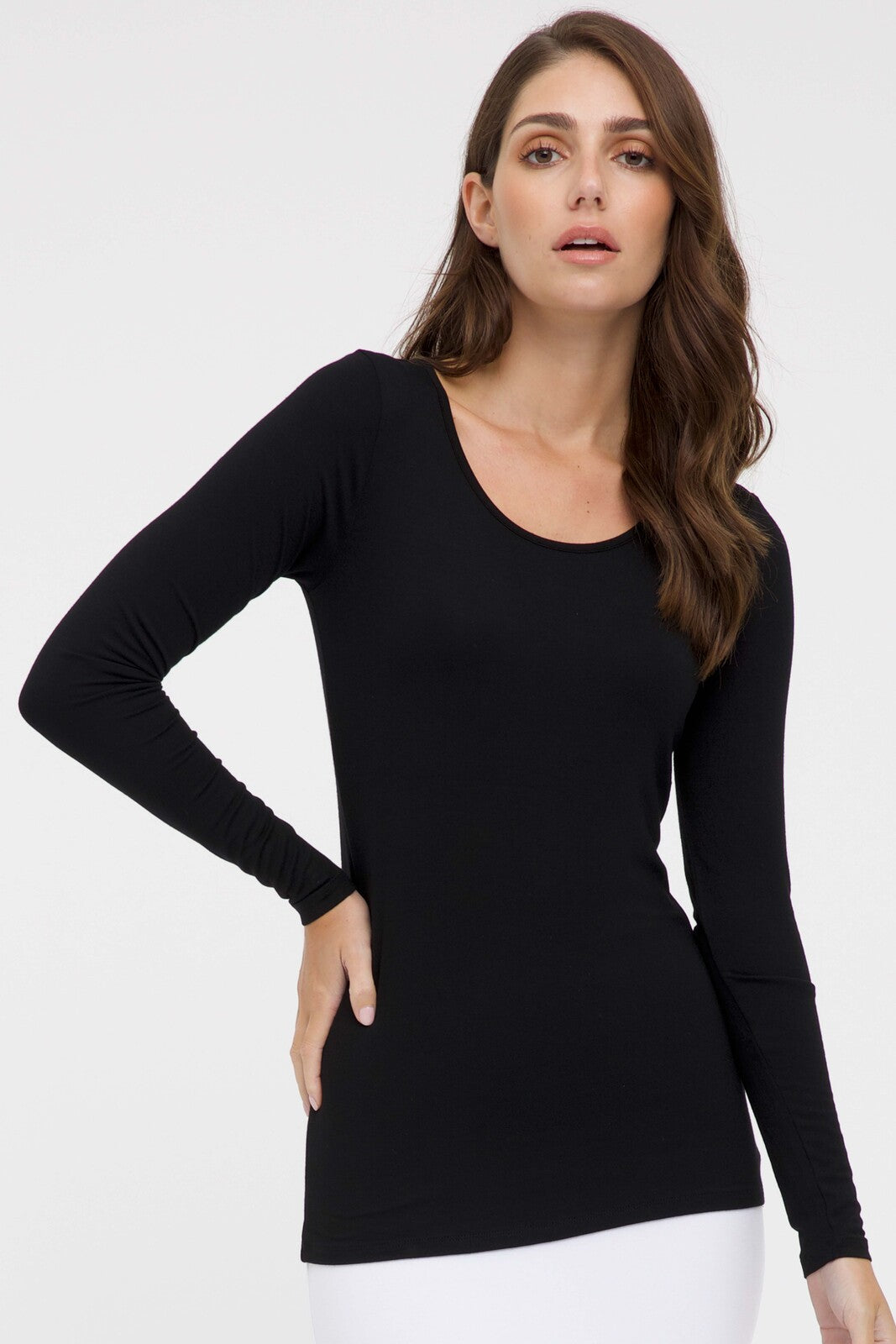
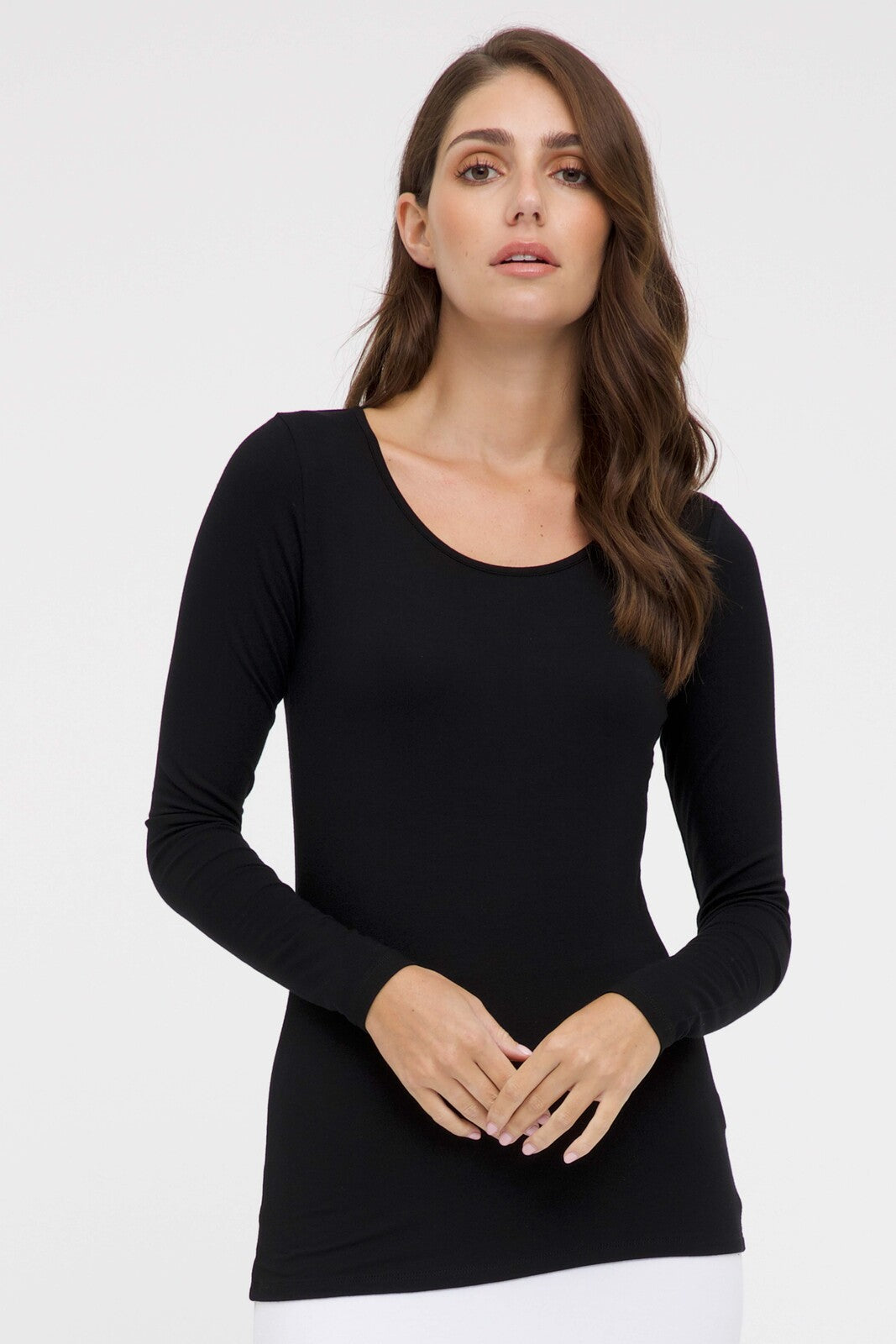
L/S Layering Top - Black
10 colours available
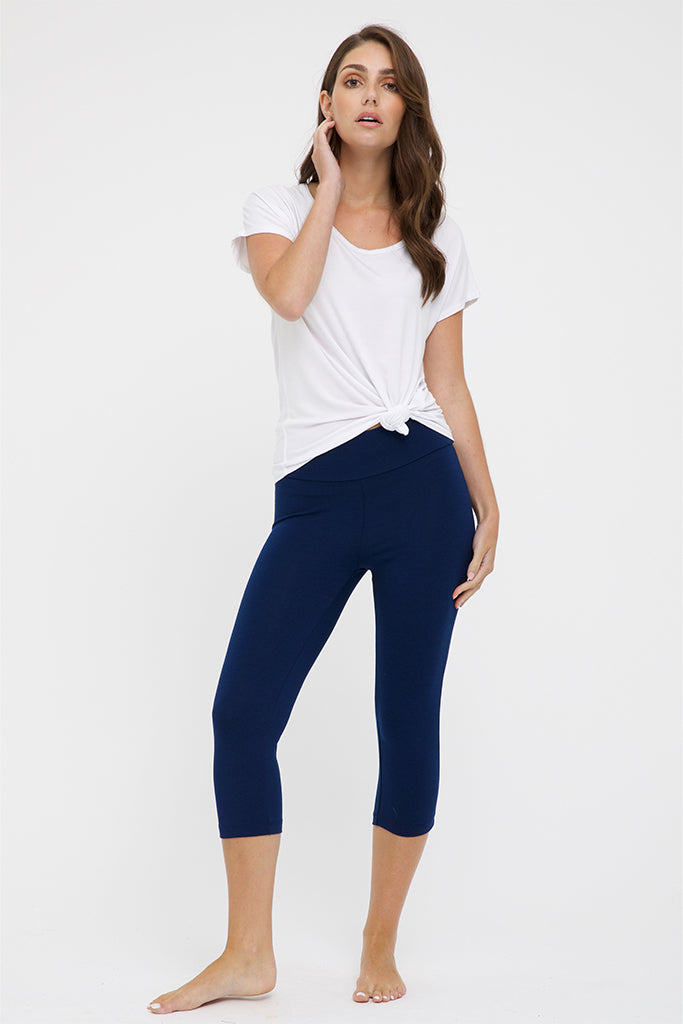
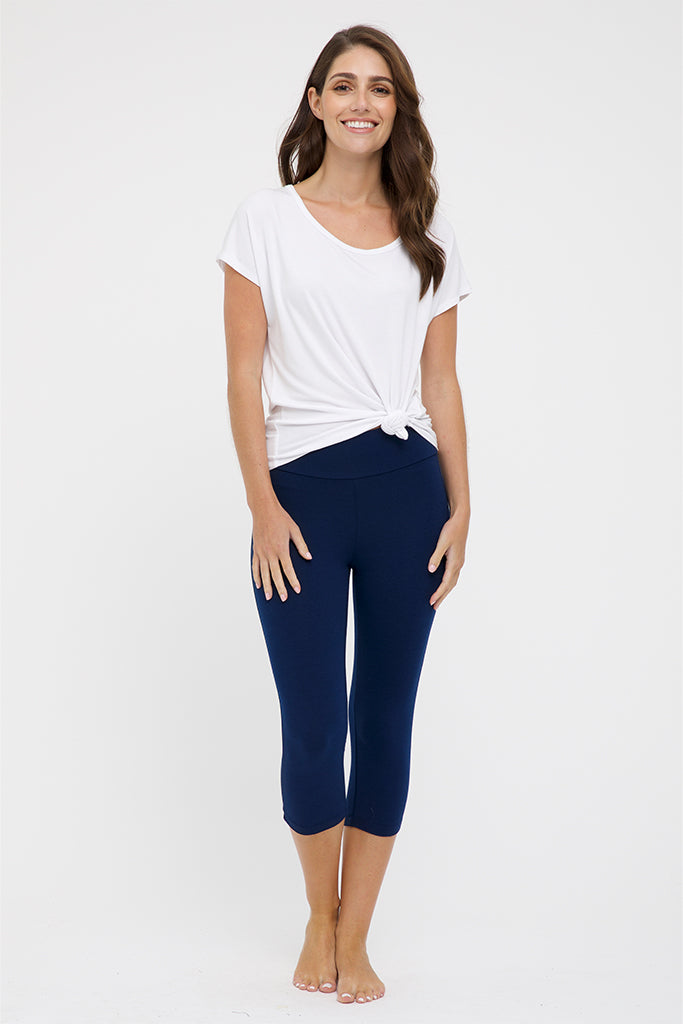
3/4 Leggings - Navy
4 colours available
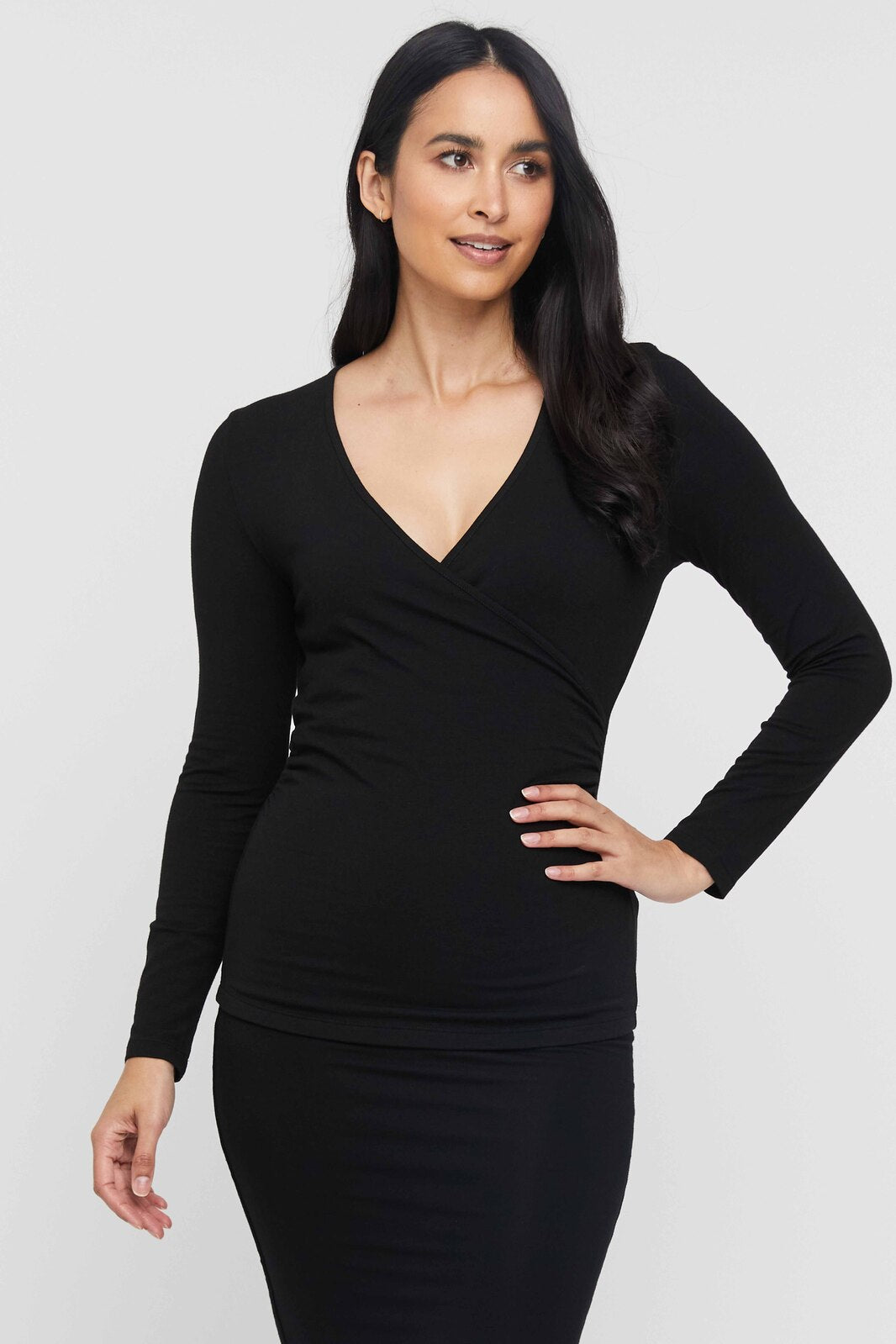
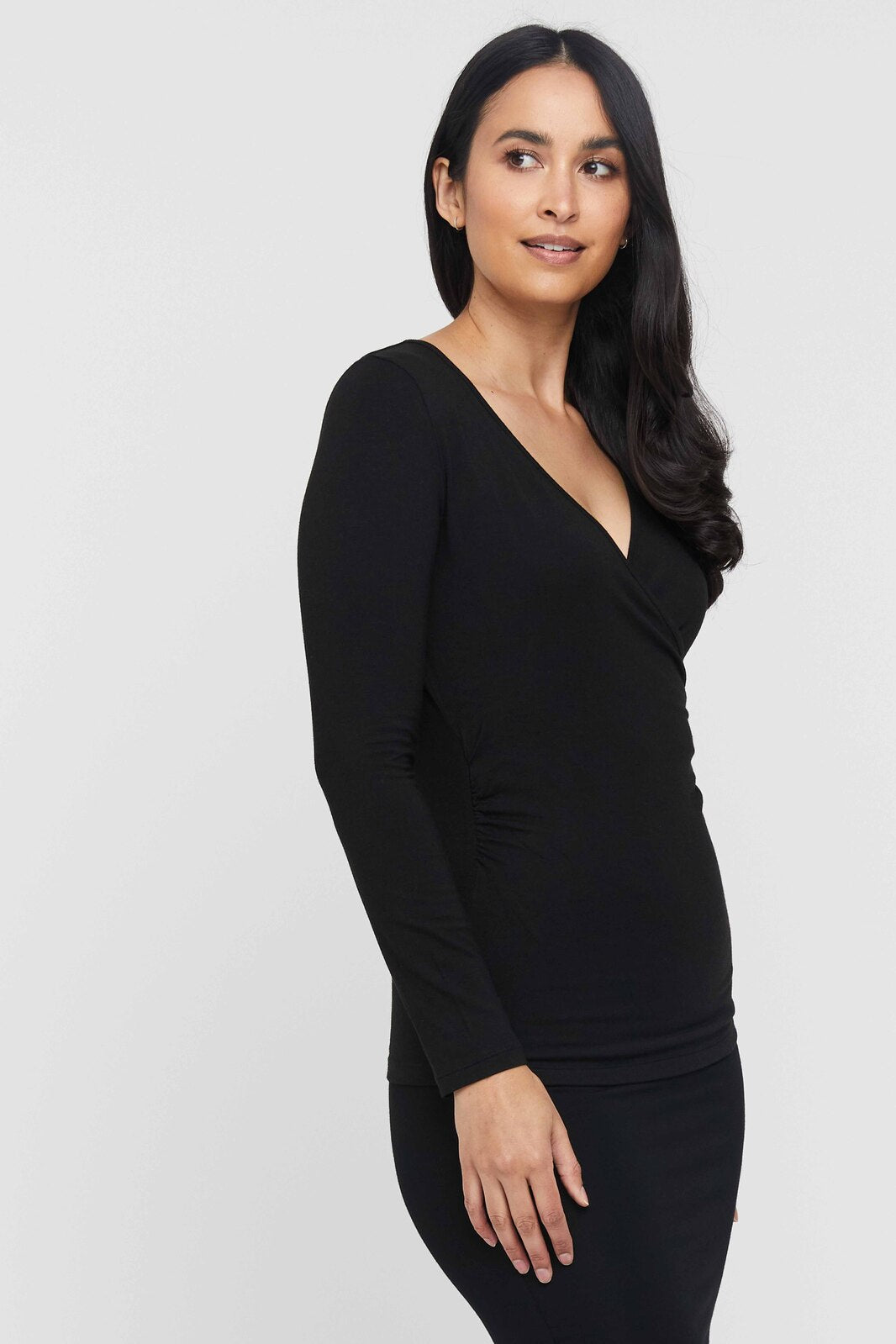
L/S Cross Front Top - Black
5 colours available
Sophie Top - Black
11 colours available
What's the best fabric to wear through menopause?
Bamboo is one of the best fabrics for menopause because it wicks moisture and helps regulate temperature, which is exactly what hot flushes call for. It keeps you cool when you overheat and warm when you don't.
As skin matures it gets thinner, drier and more easily irritated, and perimenopause adds hot flushes and night sweats on top. A breathable, moisture-wicking fabric handles the swings better than cotton, which holds damp against the skin.
We've written a full guide to dressing for menopause if that's what brought you here. Mature skin also burns more easily, so the UPF 50+ range earns its place in your wardrobe.
Bamboo Menopause Clothing
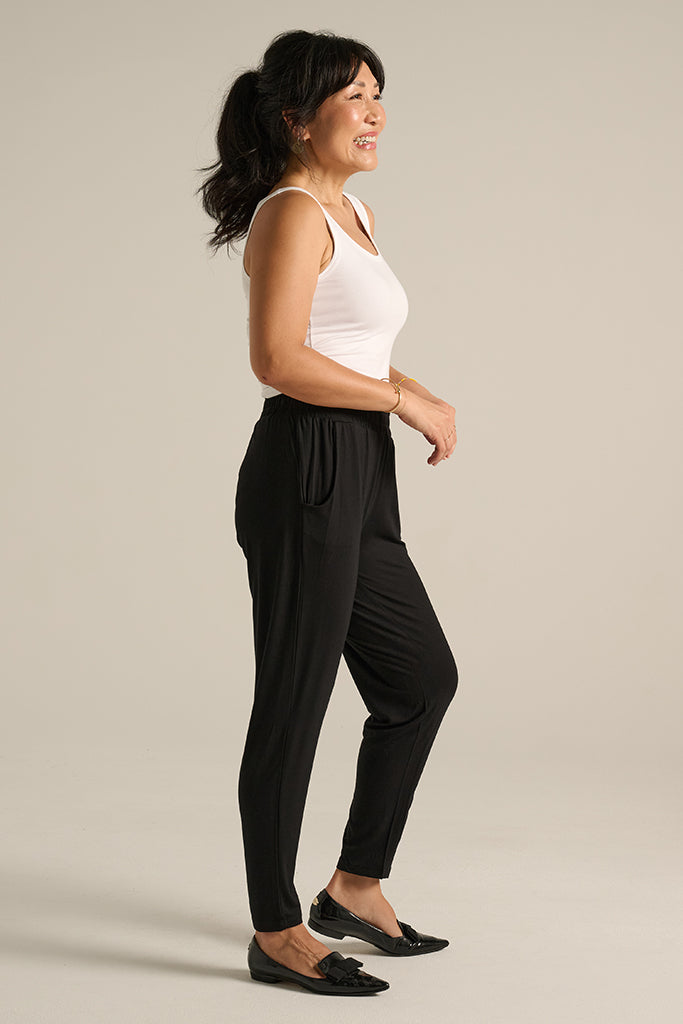
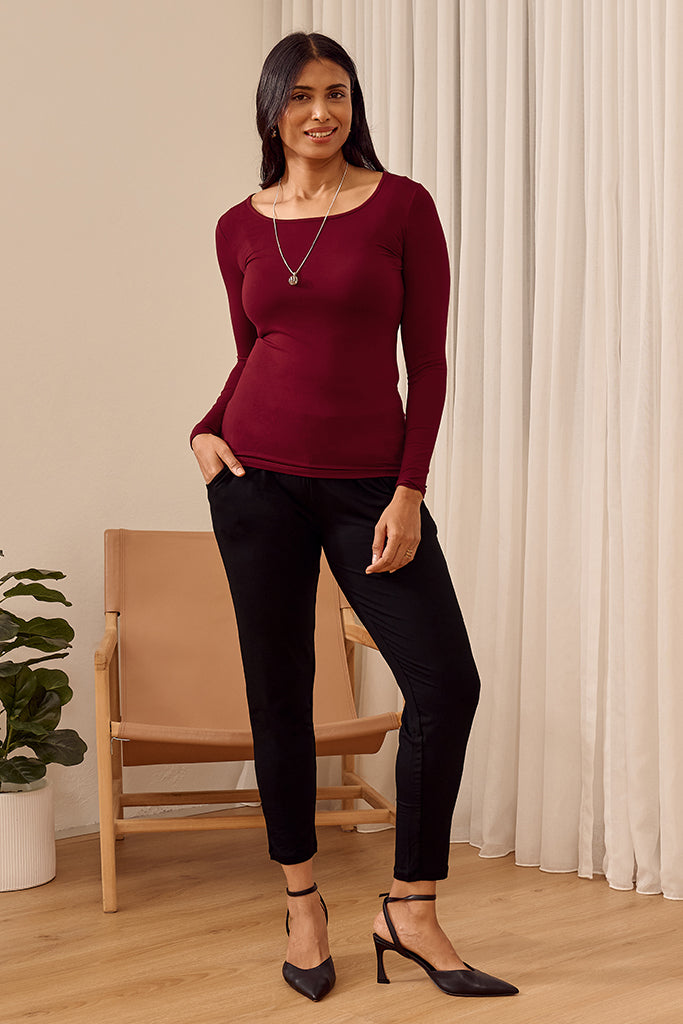
Peggy Bamboo Trouser - Black
5 colours available
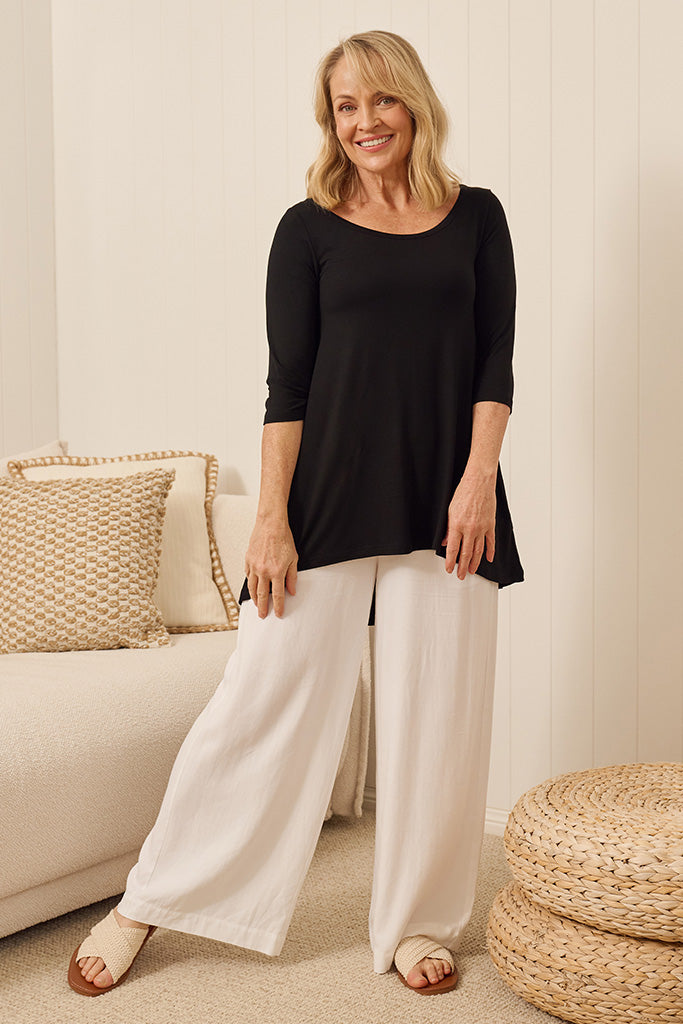
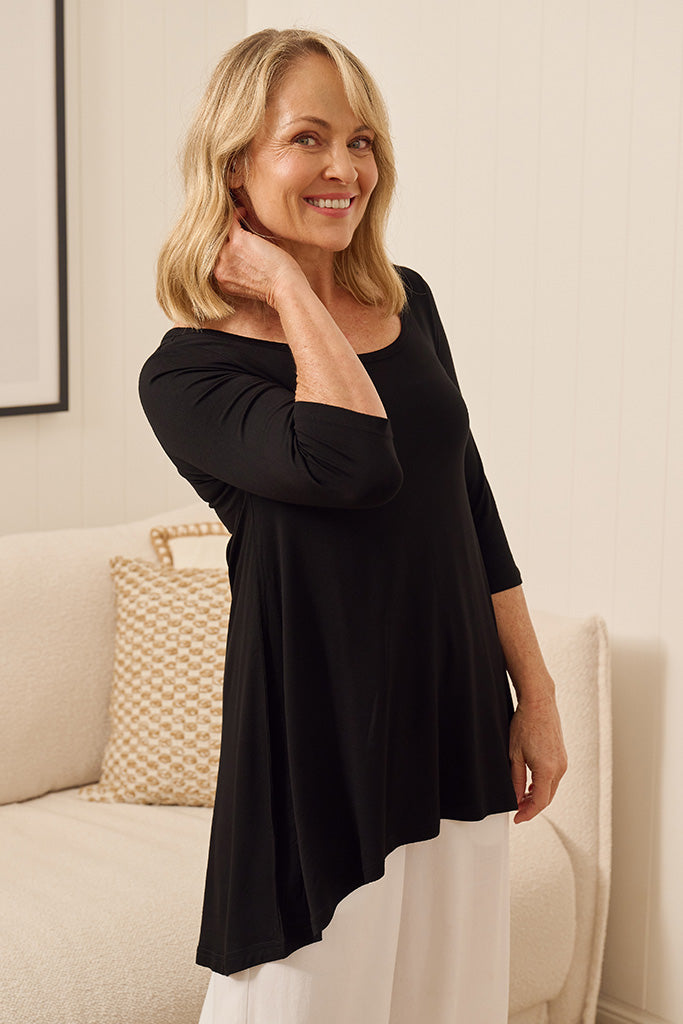
Hi Lo Hem Top - Black
2 colours available
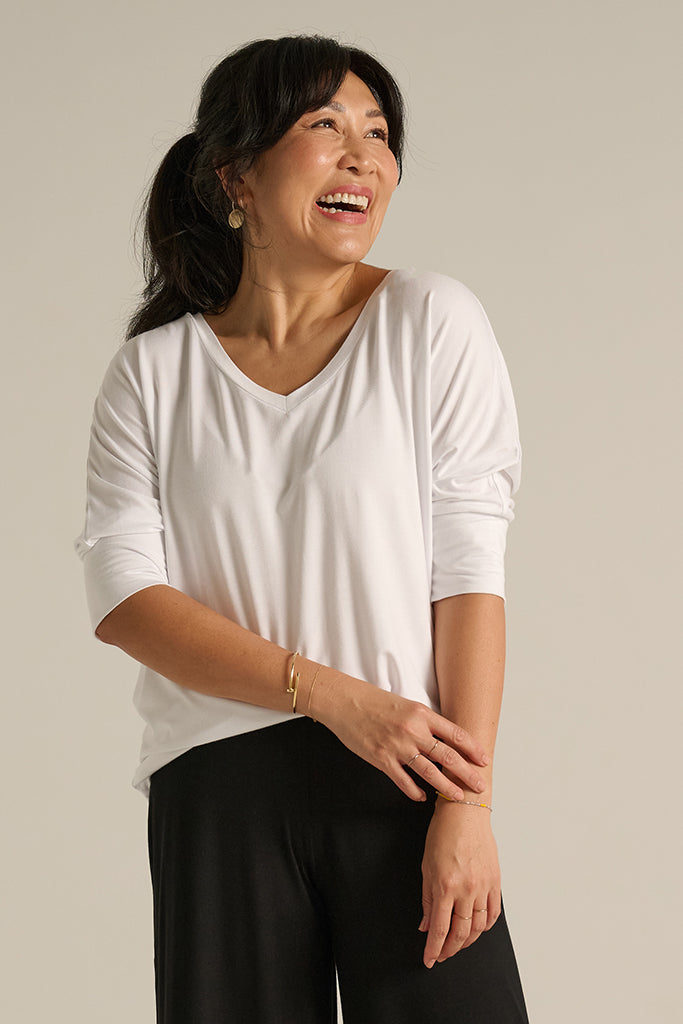
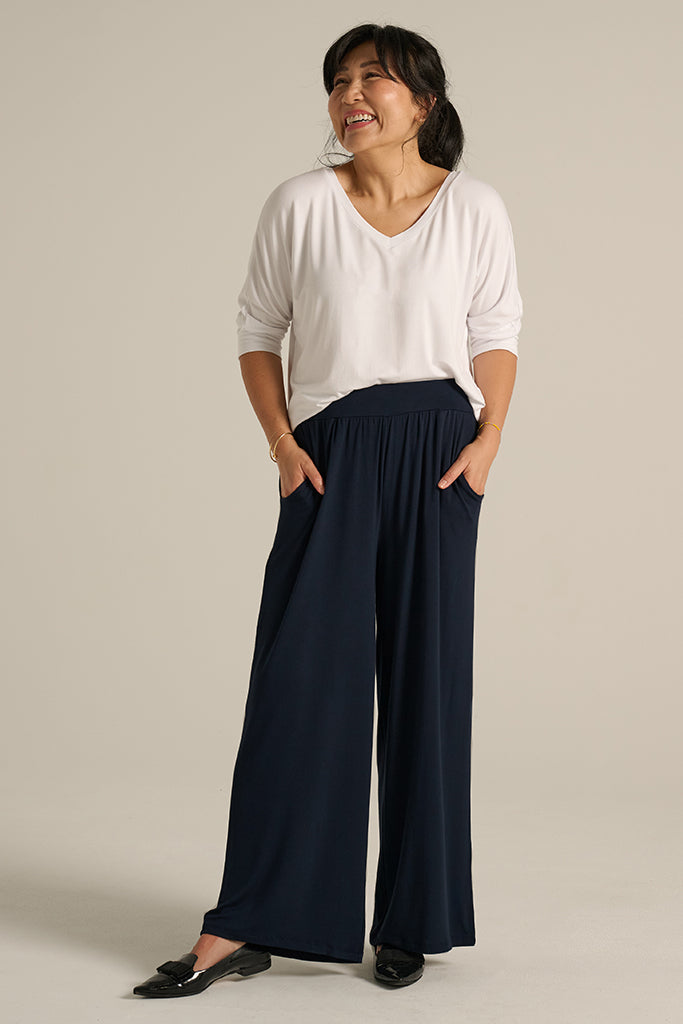
Dolman Sleeve Top - White
9 colours available
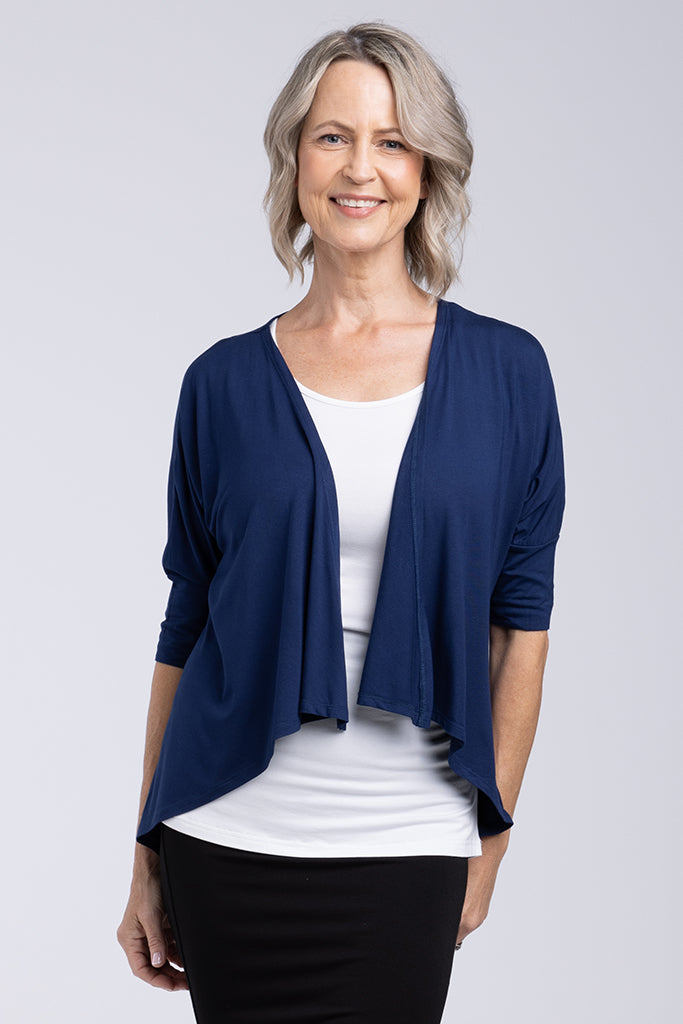
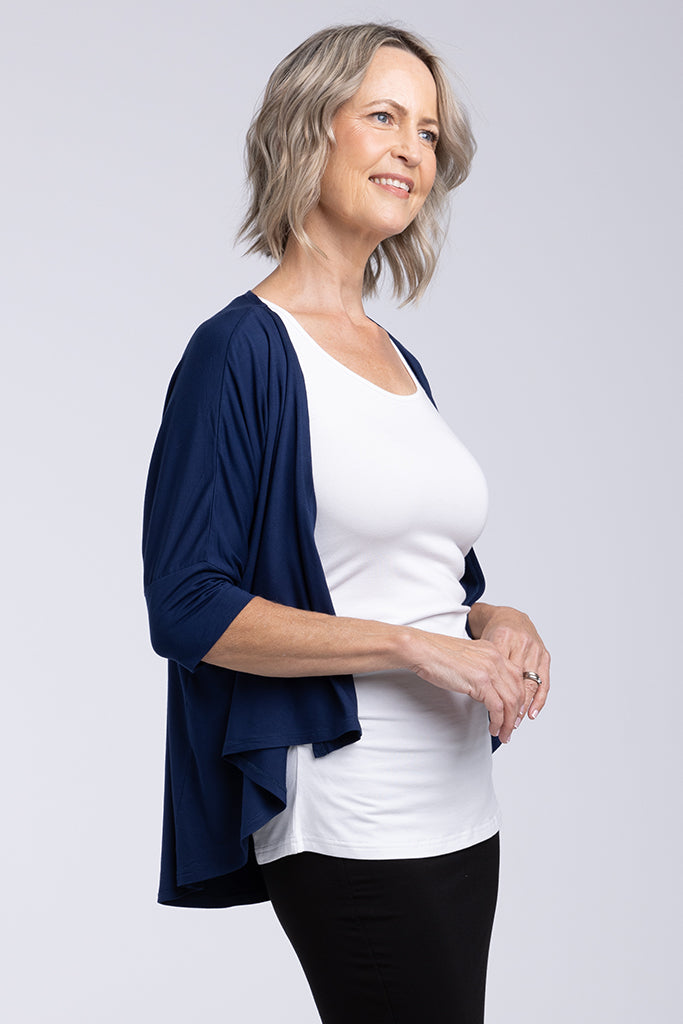
Bamboo Drape Cardi - Navy
6 colours available
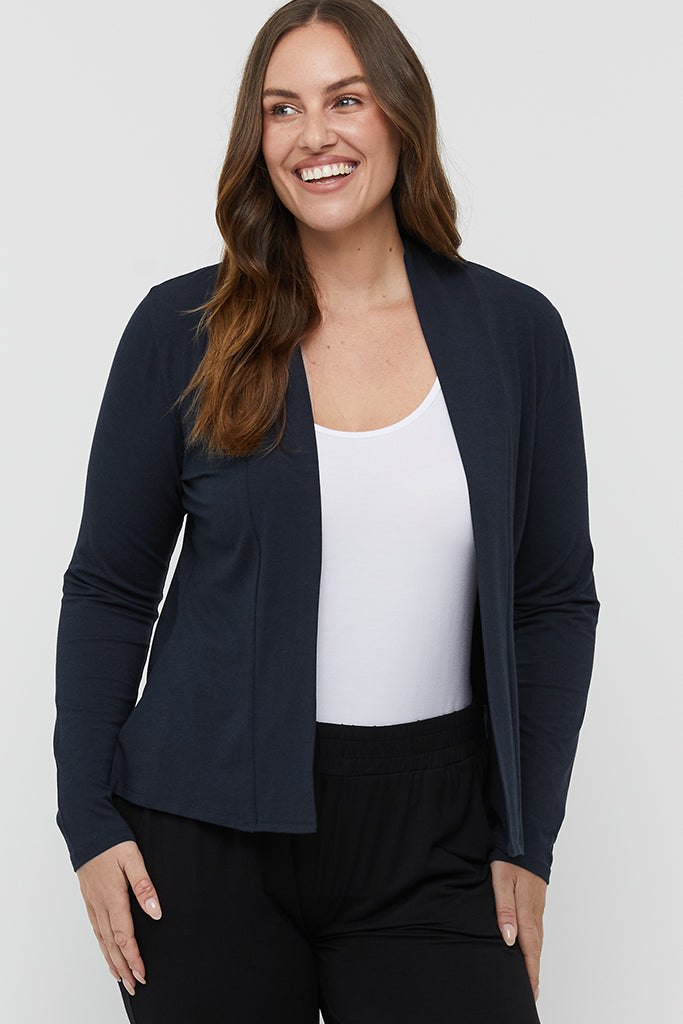
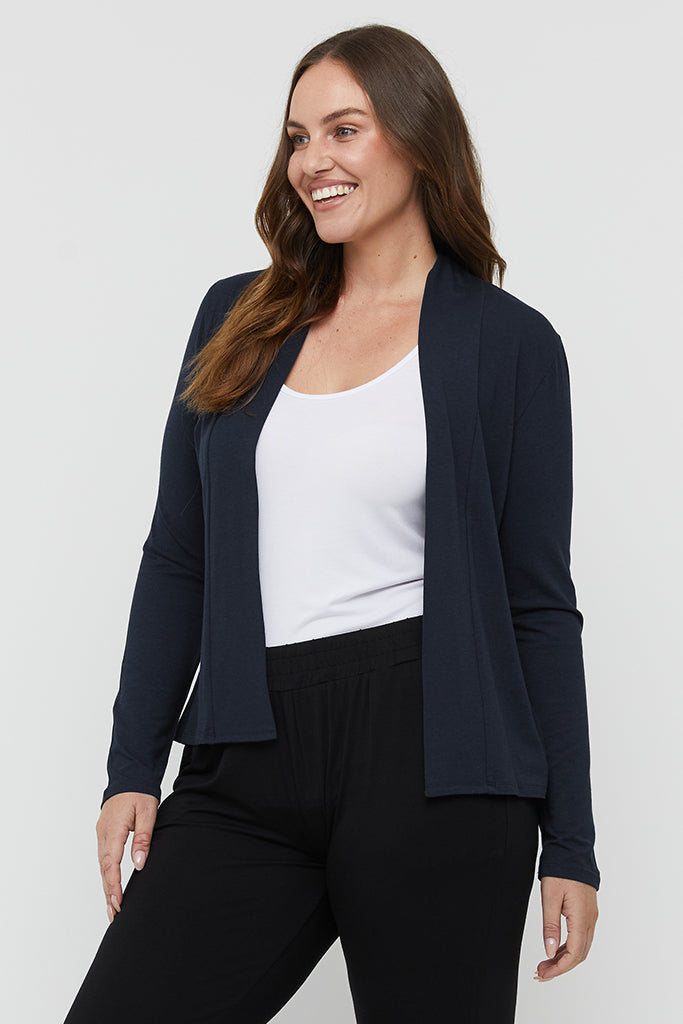
Everyday Cardi - Dark Navy
9 colours available
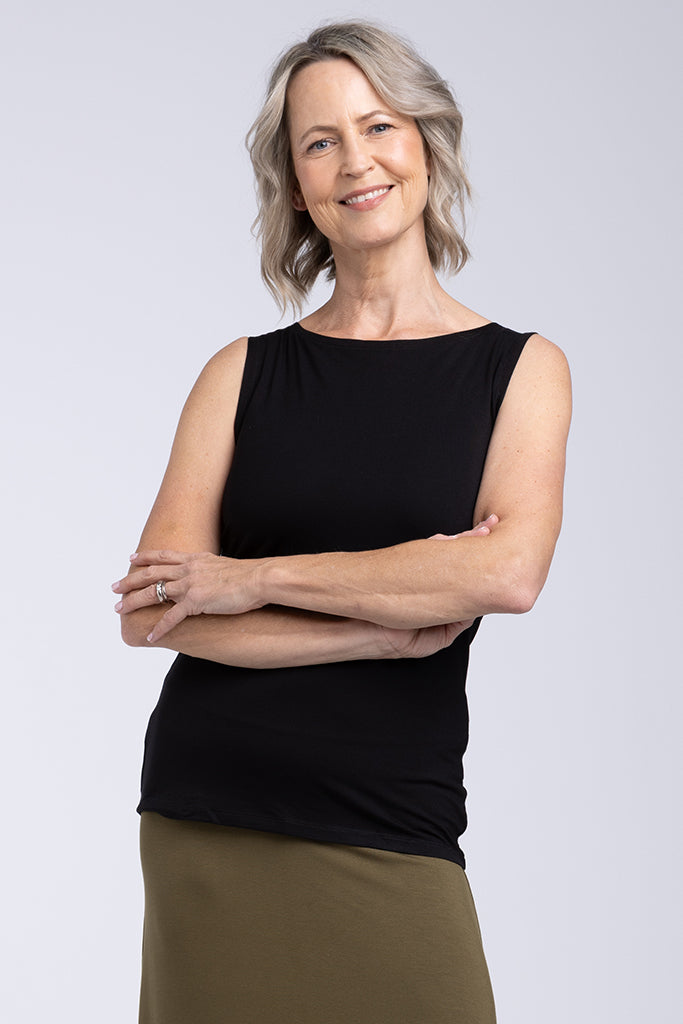

Bamboo Shell Top - Black
10 colours available
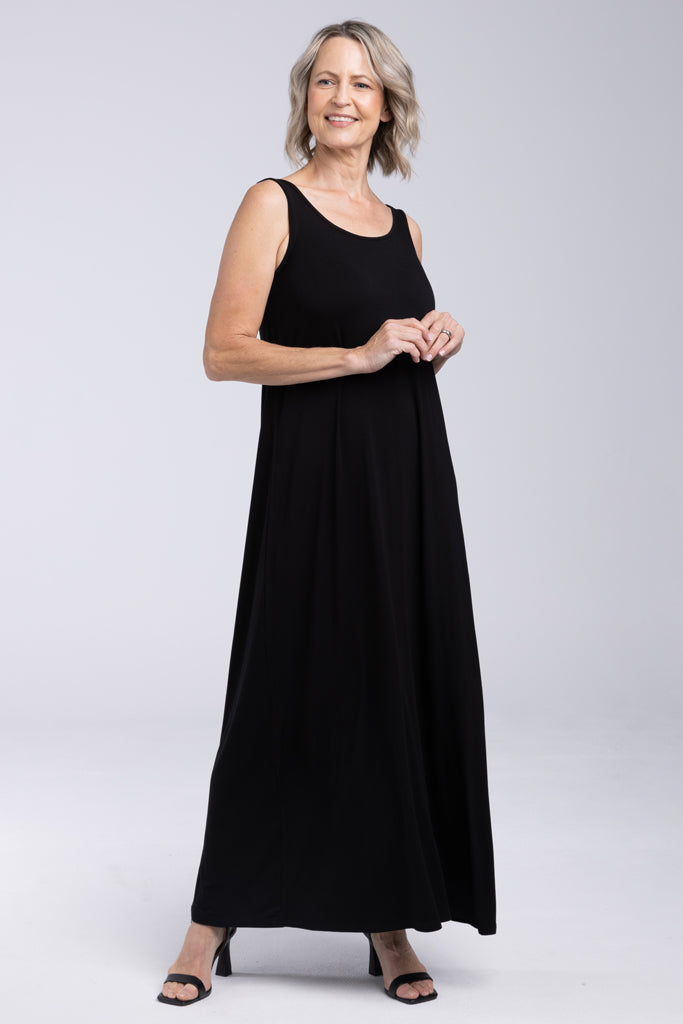
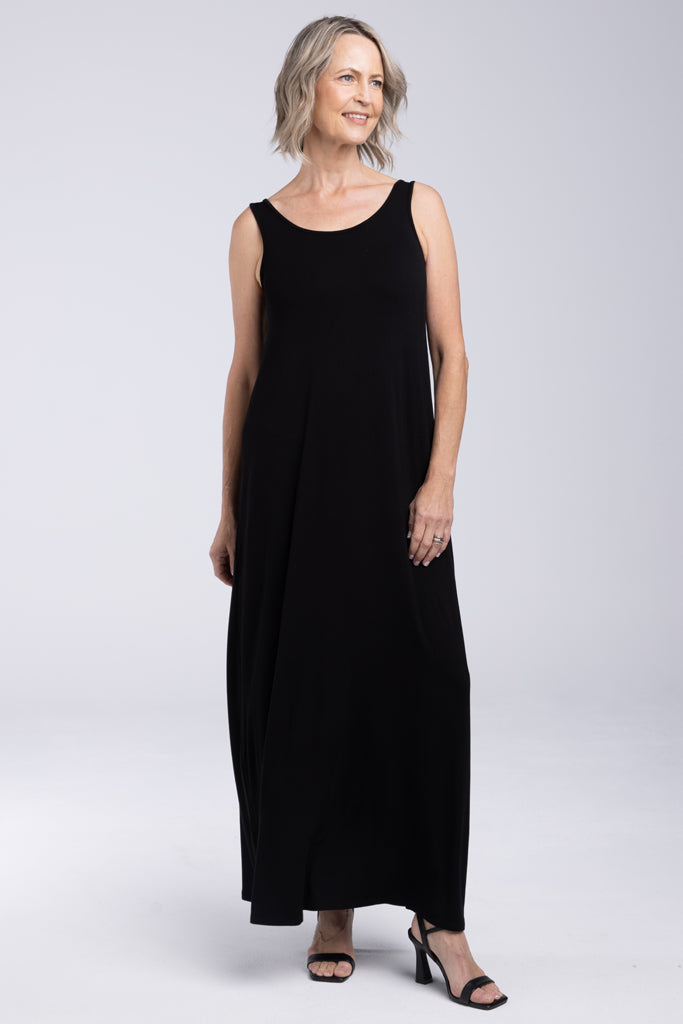
Bamboo Maxi Dress - Black
3 colours available
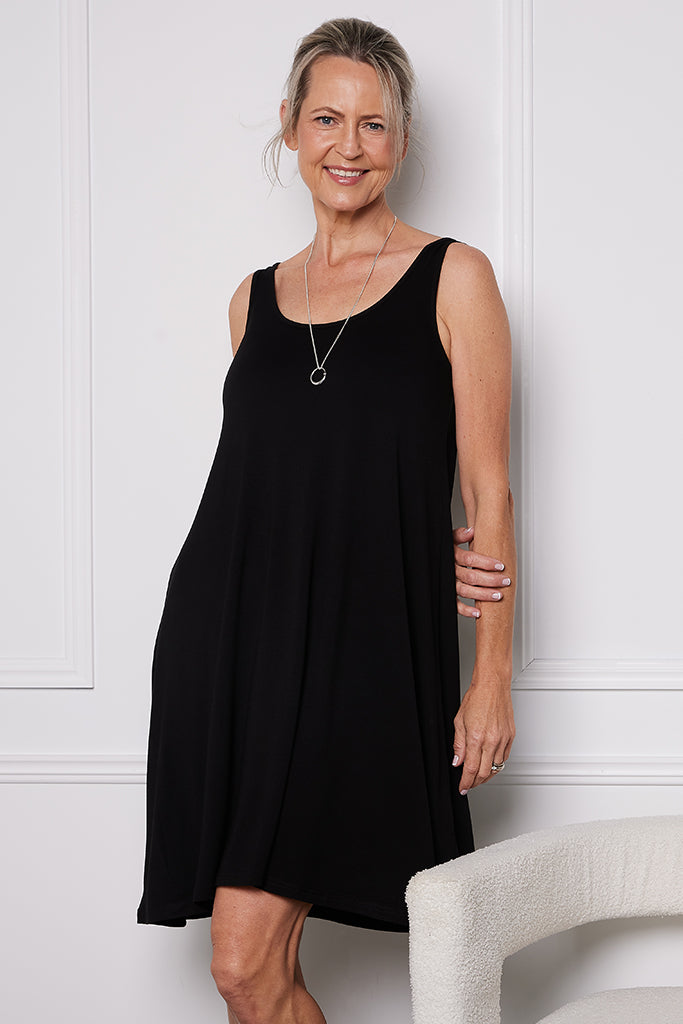
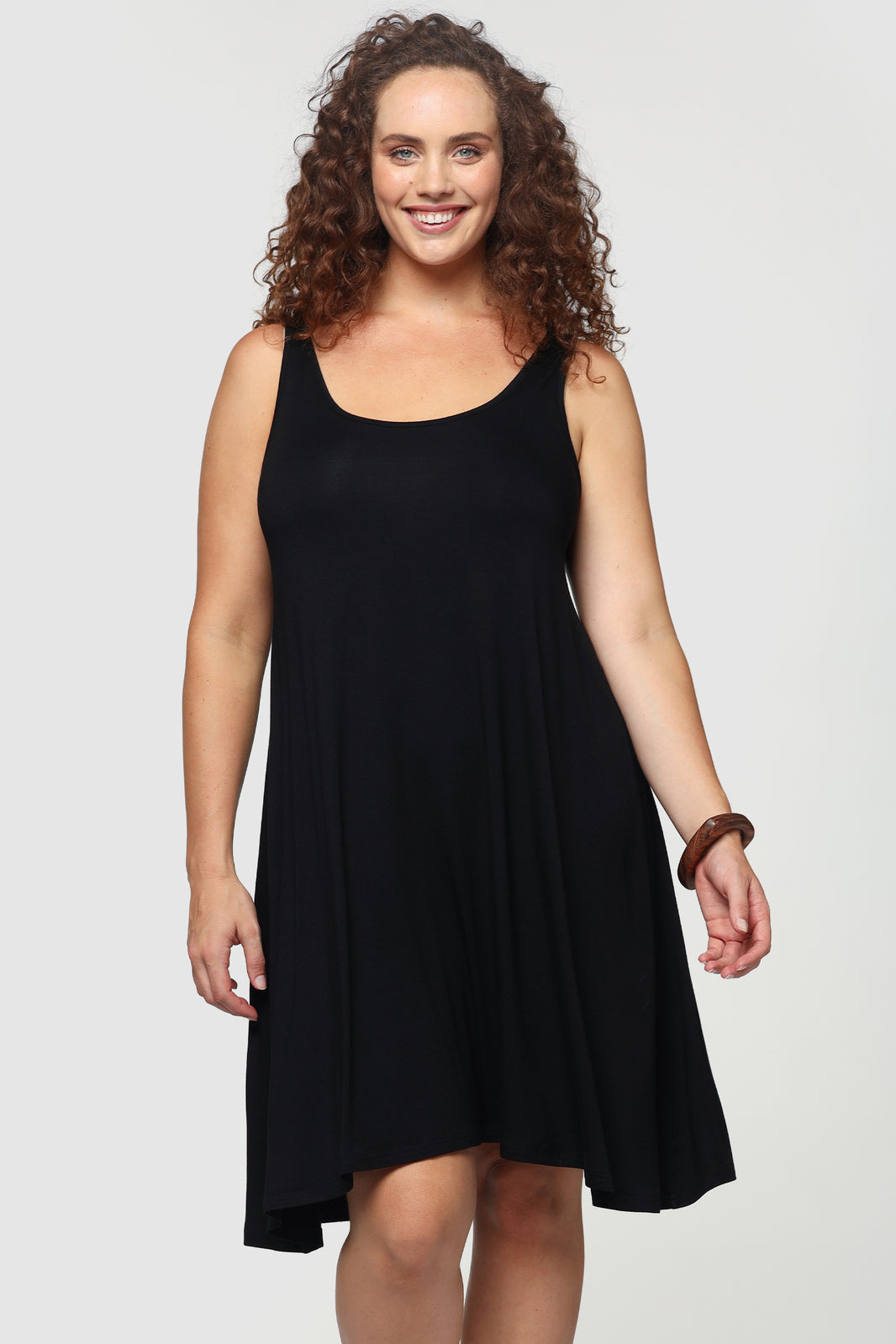
Swing Dress - Black
7 colours available
What clothes are best for sensory sensitivities?
For sensory sensitivities, choose seam-free or flat-seam garments in soft fabric, with no tight necks and no scratchy trims. This matters most for people on the autism spectrum or with ADHD, but the same principles make clothes more comfortable for anyone.
A short checklist:
- Tops without tight necks or collars, and no heavy embellishments.
- Flat seams or seam-free construction wherever you can find it.
- Loose-fitting shapes with room through the sleeves and legs.
Bamboo suits sensory needs well because the fibre is soft and the styles tend to flow rather than cling. If you're not sure which bamboo blend suits you, our fabric guide breaks it down.
Sensory Skin Friendly Styles
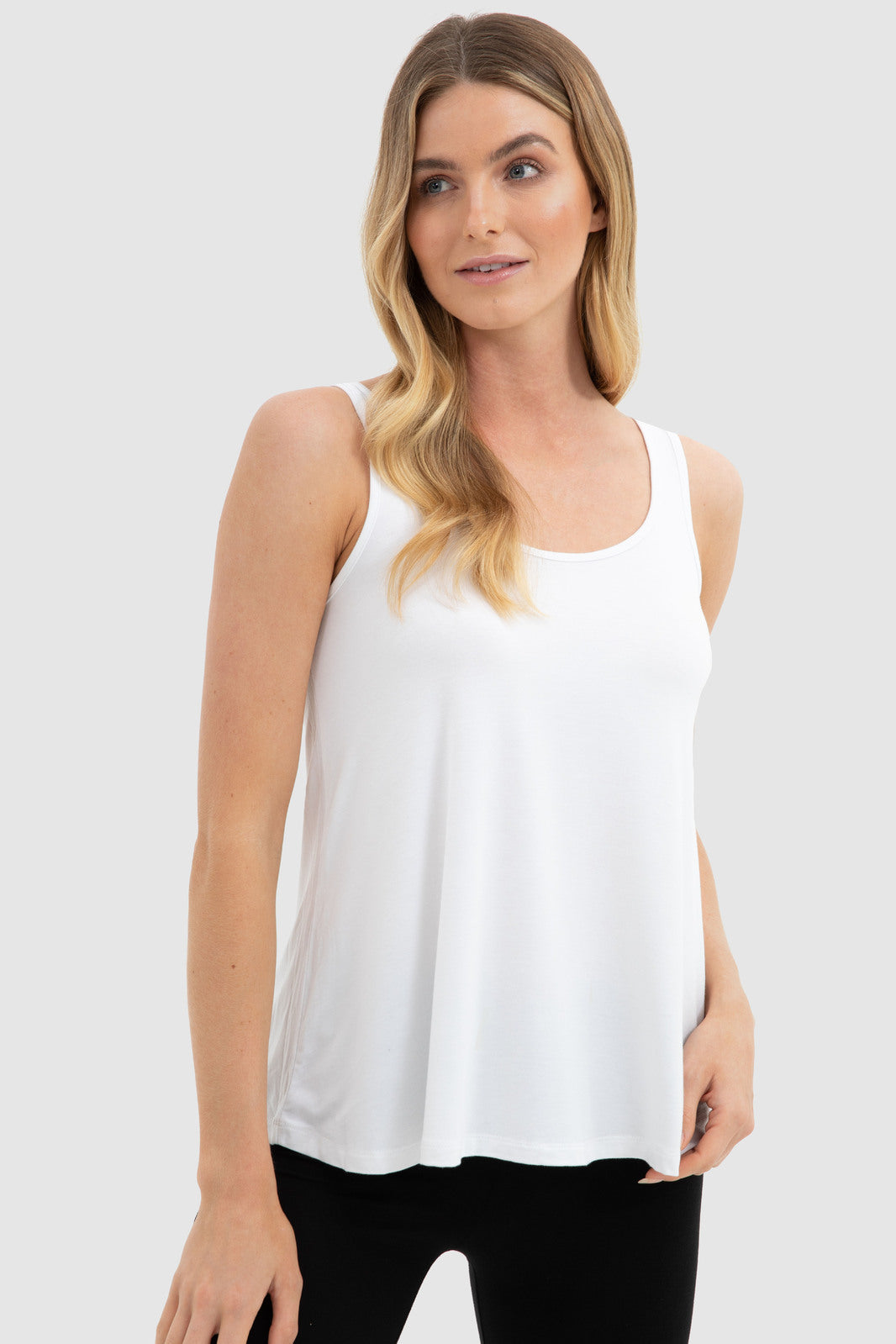
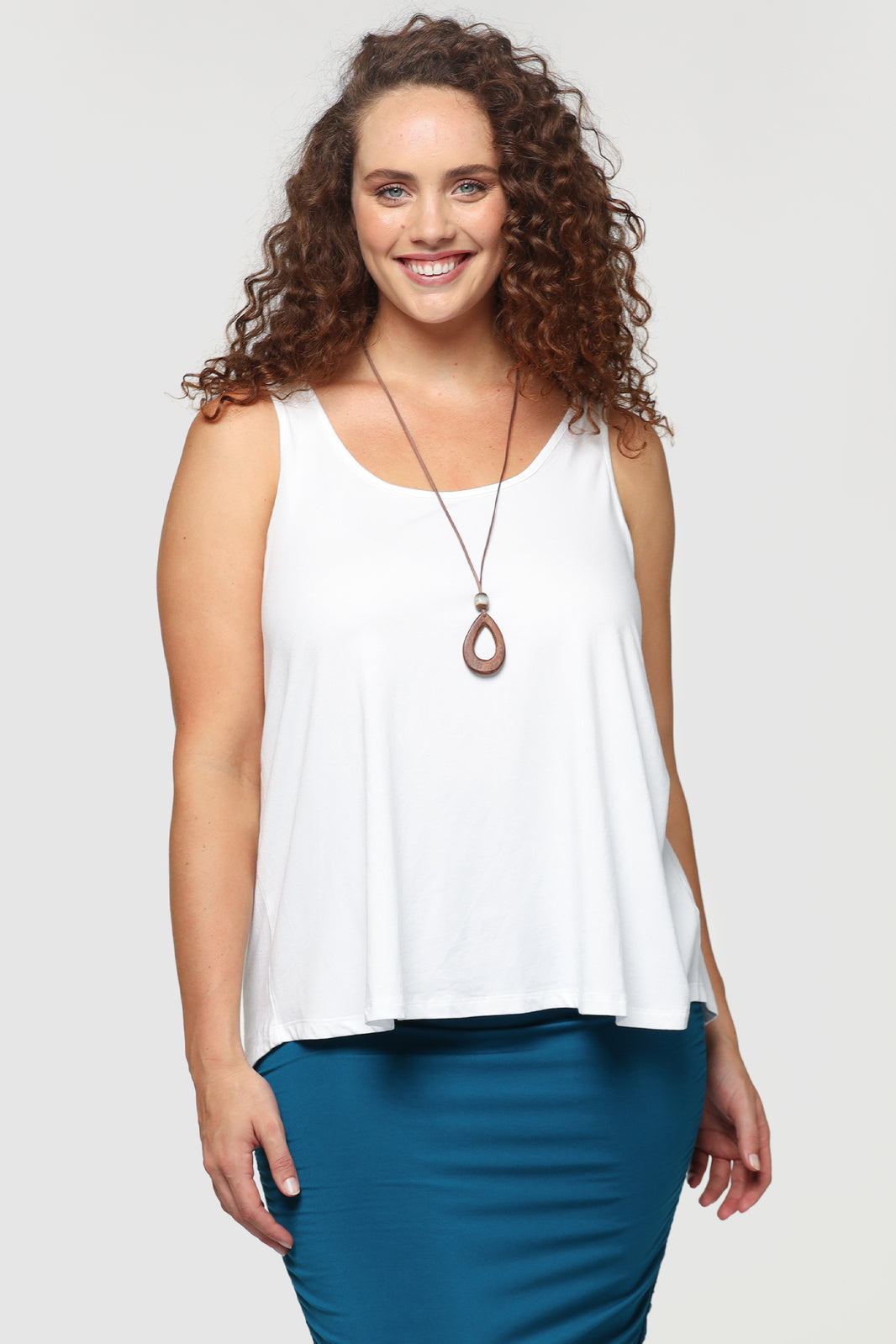
Relaxed Bamboo Singlet - White
13 colours available
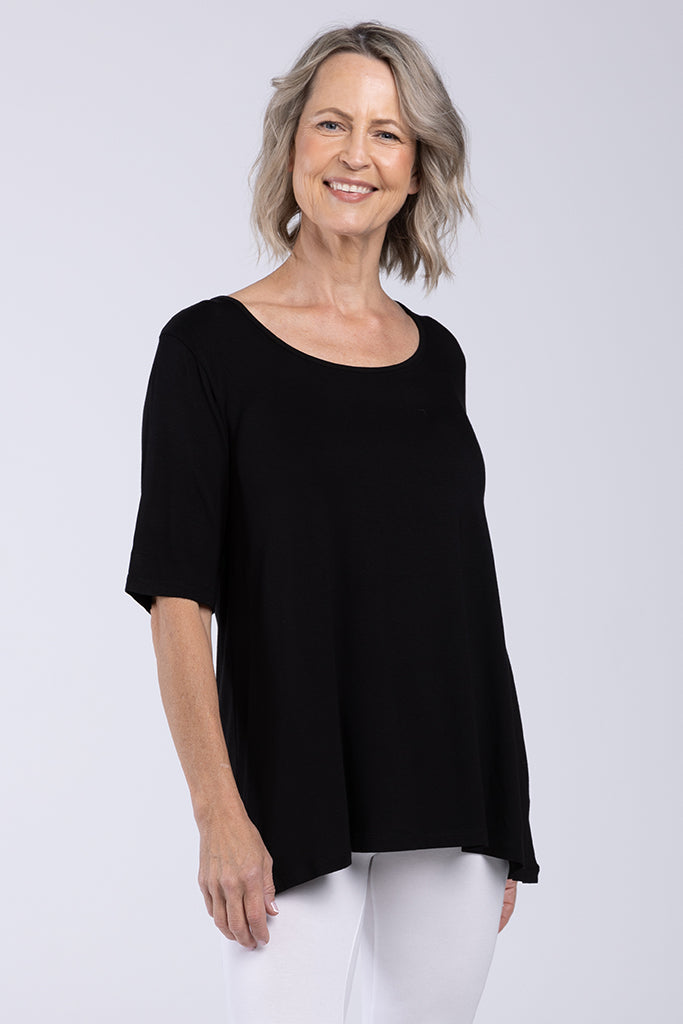
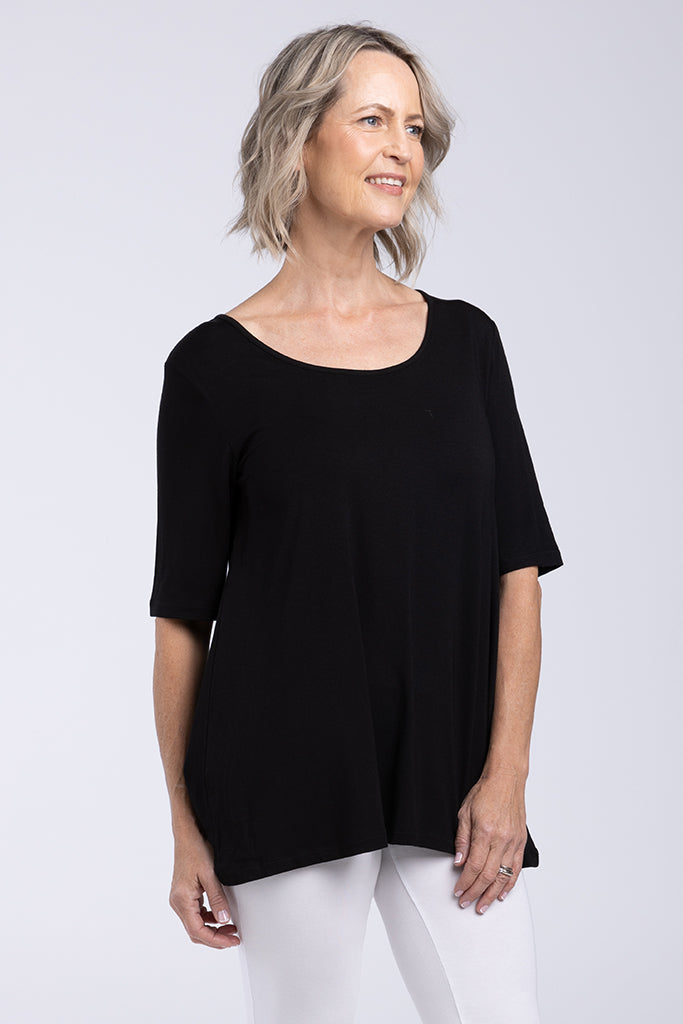
Carter Tunic Top - Black
17 colours available
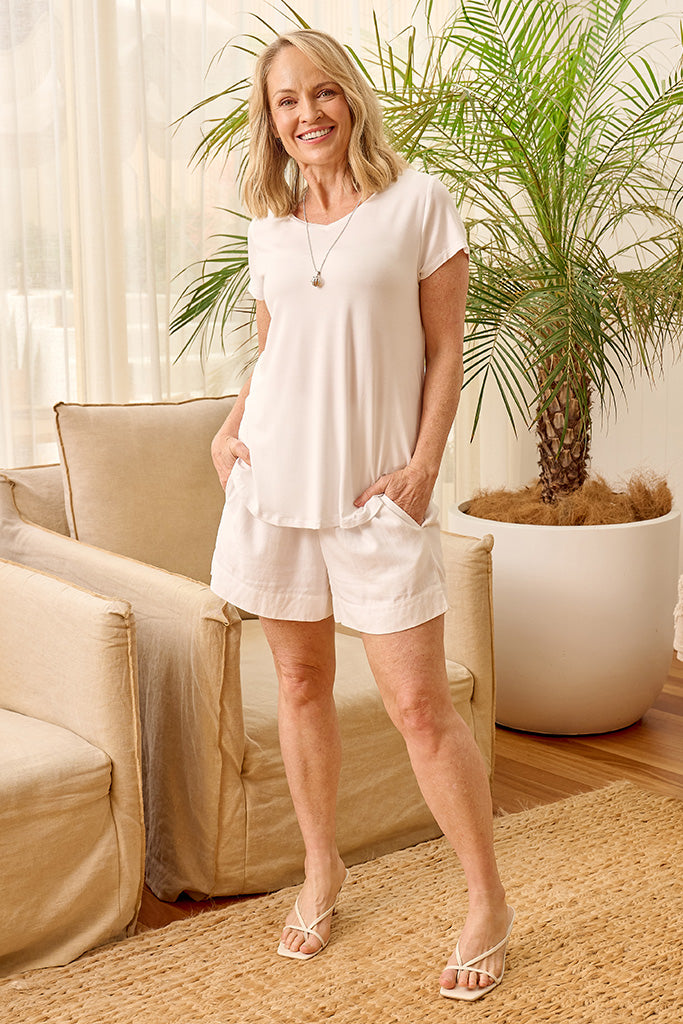
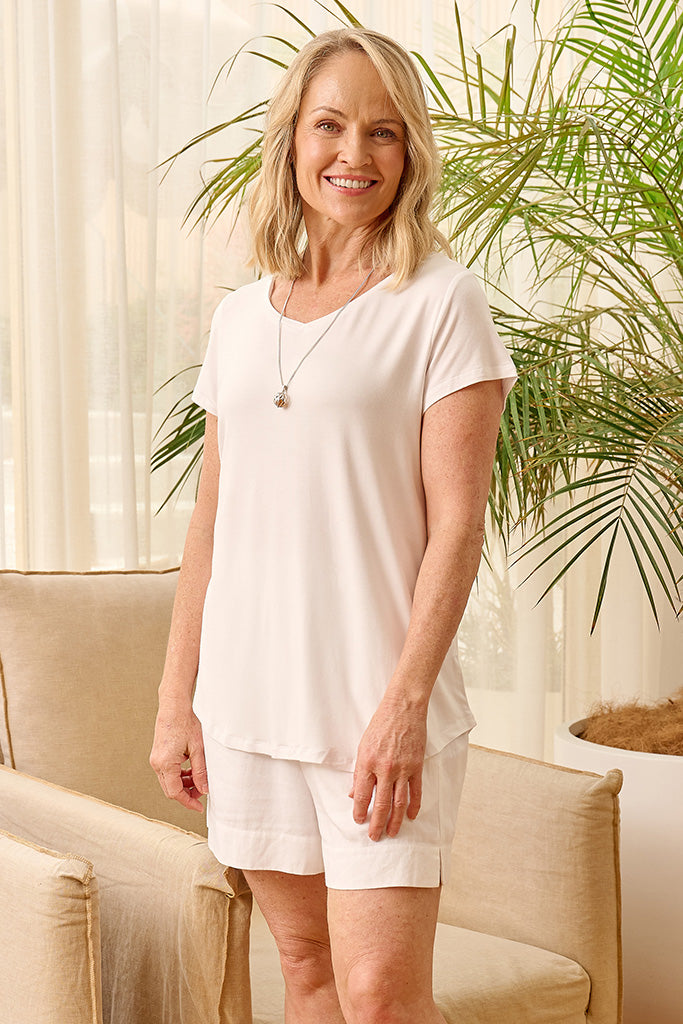
Bamboo V Neck Tee - White
9 colours available
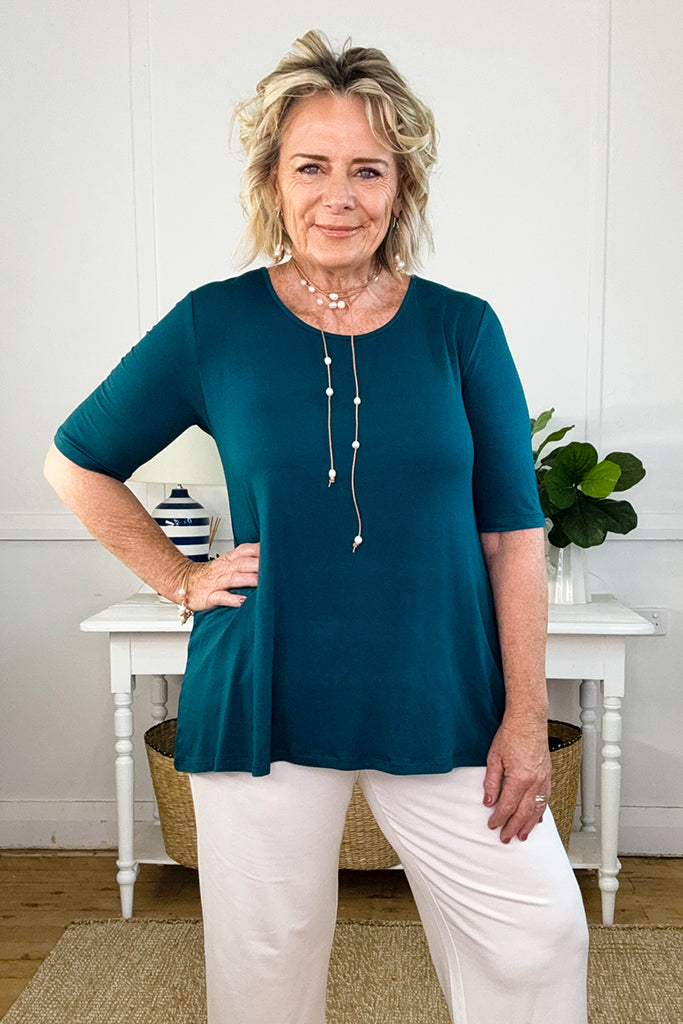
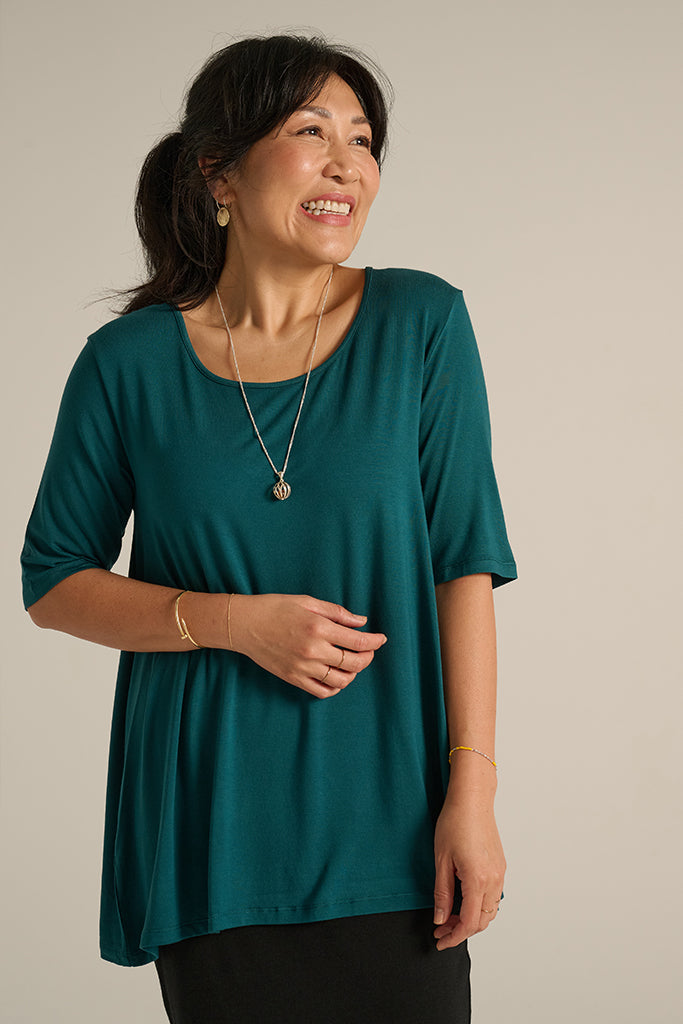
Carter Tunic Top - Pine
17 colours available
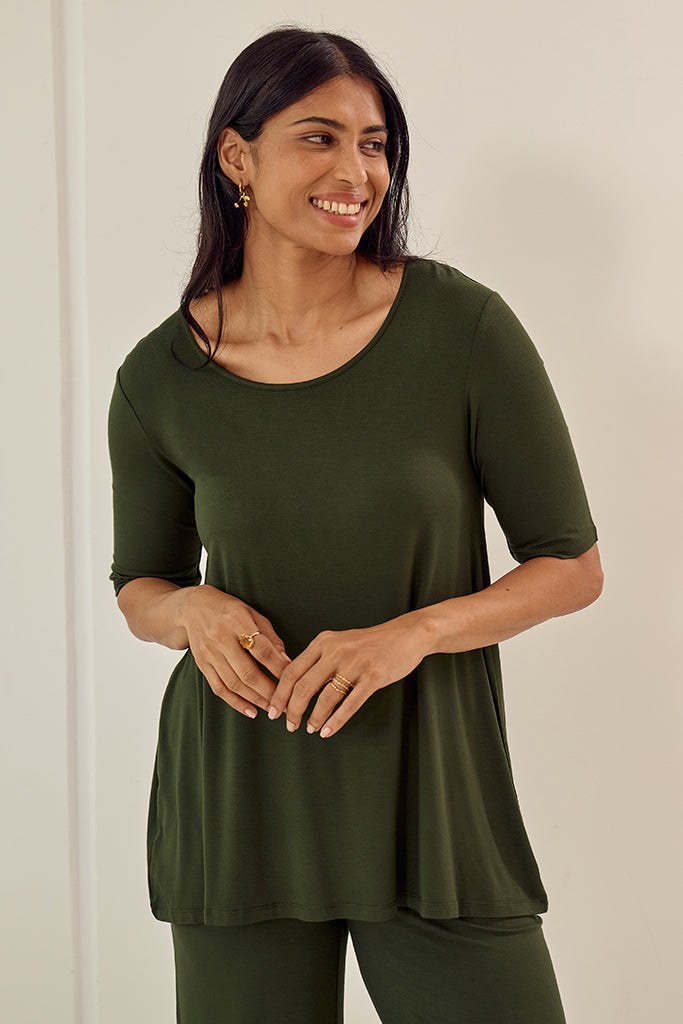
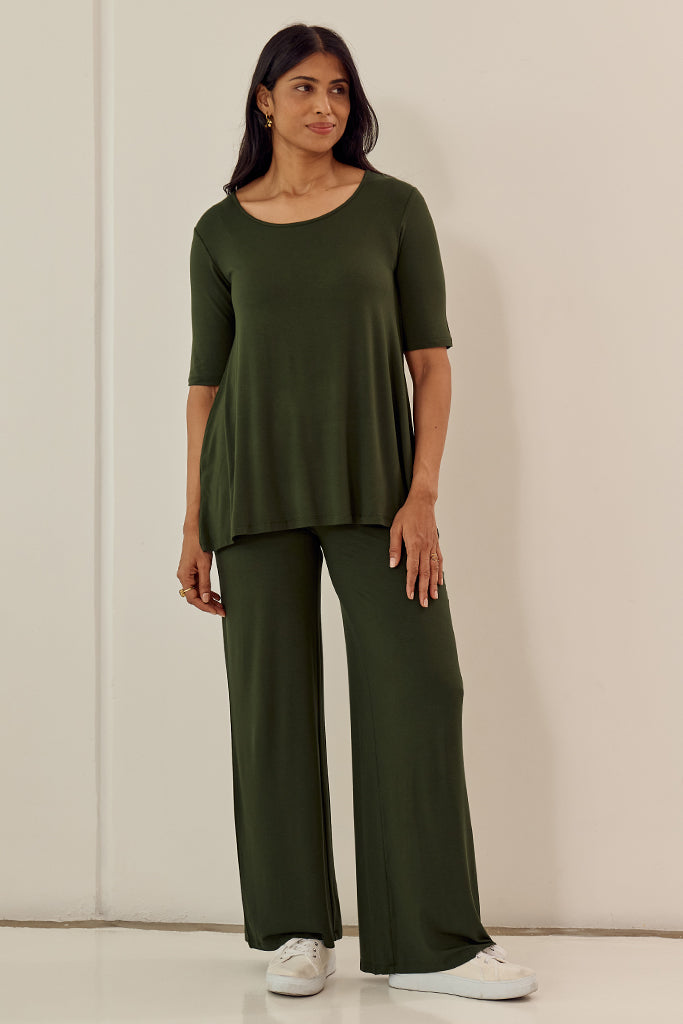
Carter Tunic Top - Moss
17 colours available
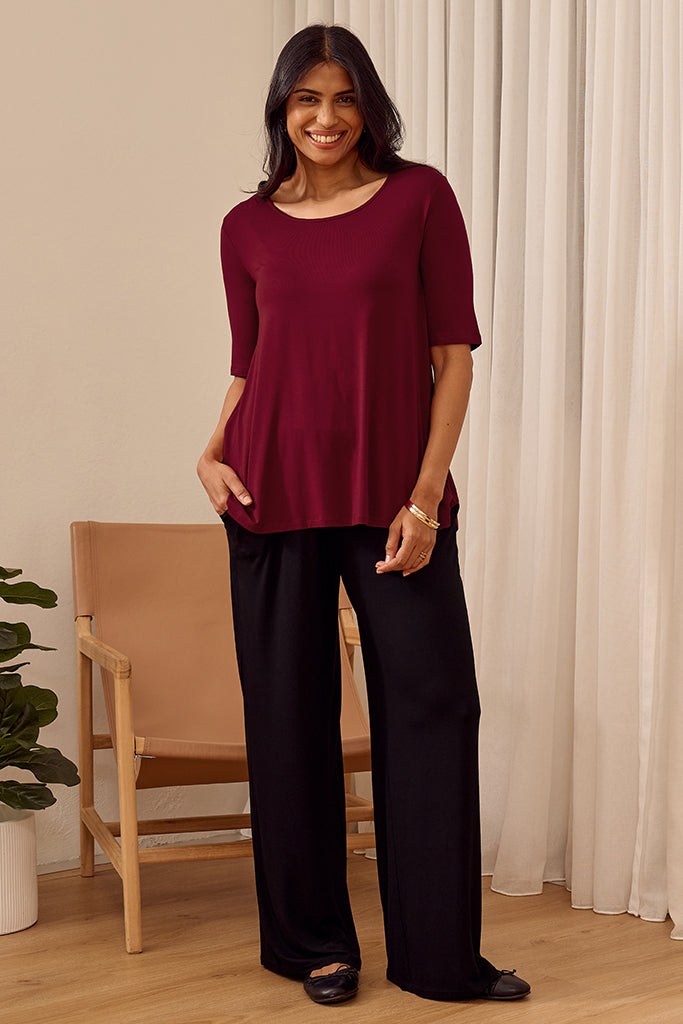

Carter Tunic Top - Rich Red
17 colours available
Carter Tunic Top - Plum
17 colours available
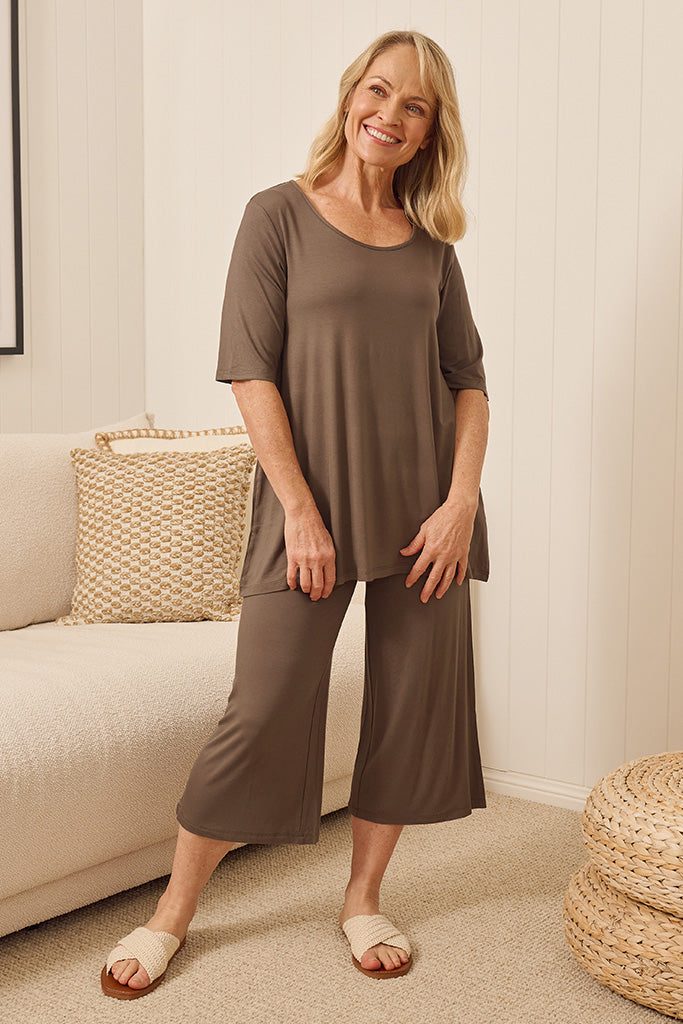
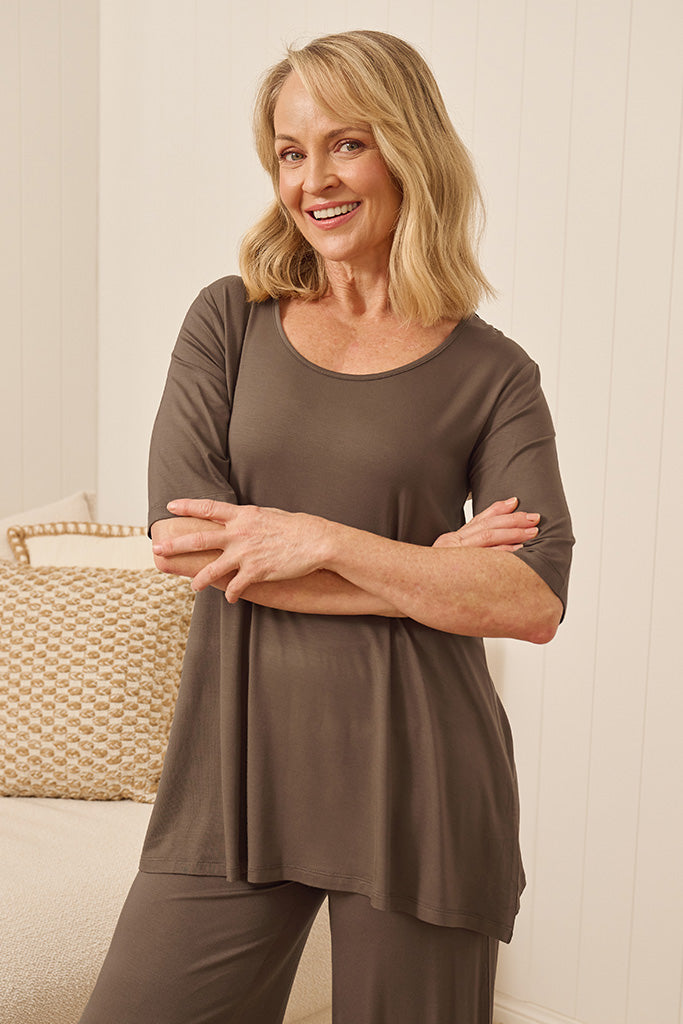
Carter Tunic Top - Slate
17 colours available
Bamboo vs cotton for sensitive skin
Both are natural and both beat synthetics for reactive skin. Bamboo edges ahead on the things sensitive skin cares about most.
| What matters | Bamboo (Bamboo Body) | Cotton |
|---|---|---|
| Softness | Very smooth fibre, no scratch | Soft, but can stiffen after washing |
| Breathability | More breathable than cotton | Breathable |
| Moisture | Wicks moisture away from skin | Absorbs and holds moisture |
| Temperature | Helps regulate, warm or cool | Less adaptive |
| Chemical residue | OEKO-TEX 100 tested | Depends on the maker |
| Sun protection | UPF 50+ rated range (ARPANSA) | Not usually rated |
The short version: for sweaty, reactive or temperature-sensitive skin, bamboo’s moisture handling and smoothness give it the edge.
How do you keep bamboo soft?
Wash it gently and it stays soft for years. Bamboo is beautiful and a little delicate, so a few habits make it last.
Turn garments inside out and machine wash with other soft items, nothing with Velcro or denim that can rub. Don't soak or bleach. Line dry in the shade or tumble dry on low. Fold rather than hang, since hanging can stretch the fabric over time.
Frequently Asked Questions
Yes. Bamboo fabric is soft, breathable and moisture-wicking, and our bamboo is OEKO-TEX 100 certified, meaning it's tested free of harmful chemicals. That combination makes it one of the gentlest fabrics for reactive skin.
Bamboo is a good choice for eczema-prone skin because it's smooth, breathable and doesn't trap heat and sweat against inflamed areas. It's not a treatment, so follow your doctor's advice, but it gives sensitive skin less to react to than rougher fabrics.
Bamboo, silk and fine merino are the softest natural options. Bamboo is the most practical of the three: it's machine washable, breathable, and our range is OEKO-TEX 100 certified.
Bamboo, because it wicks moisture and helps regulate temperature. It keeps you cooler during a hot flush and warmer when you're not, which suits the temperature swings of menopause.
Yes. It means the fabric has been tested against more than 1,000 harmful substances, including formaldehyde, heavy metals and allergenic dyes. For reactive skin, that's a strong signal that there's no chemical residue to irritate you.